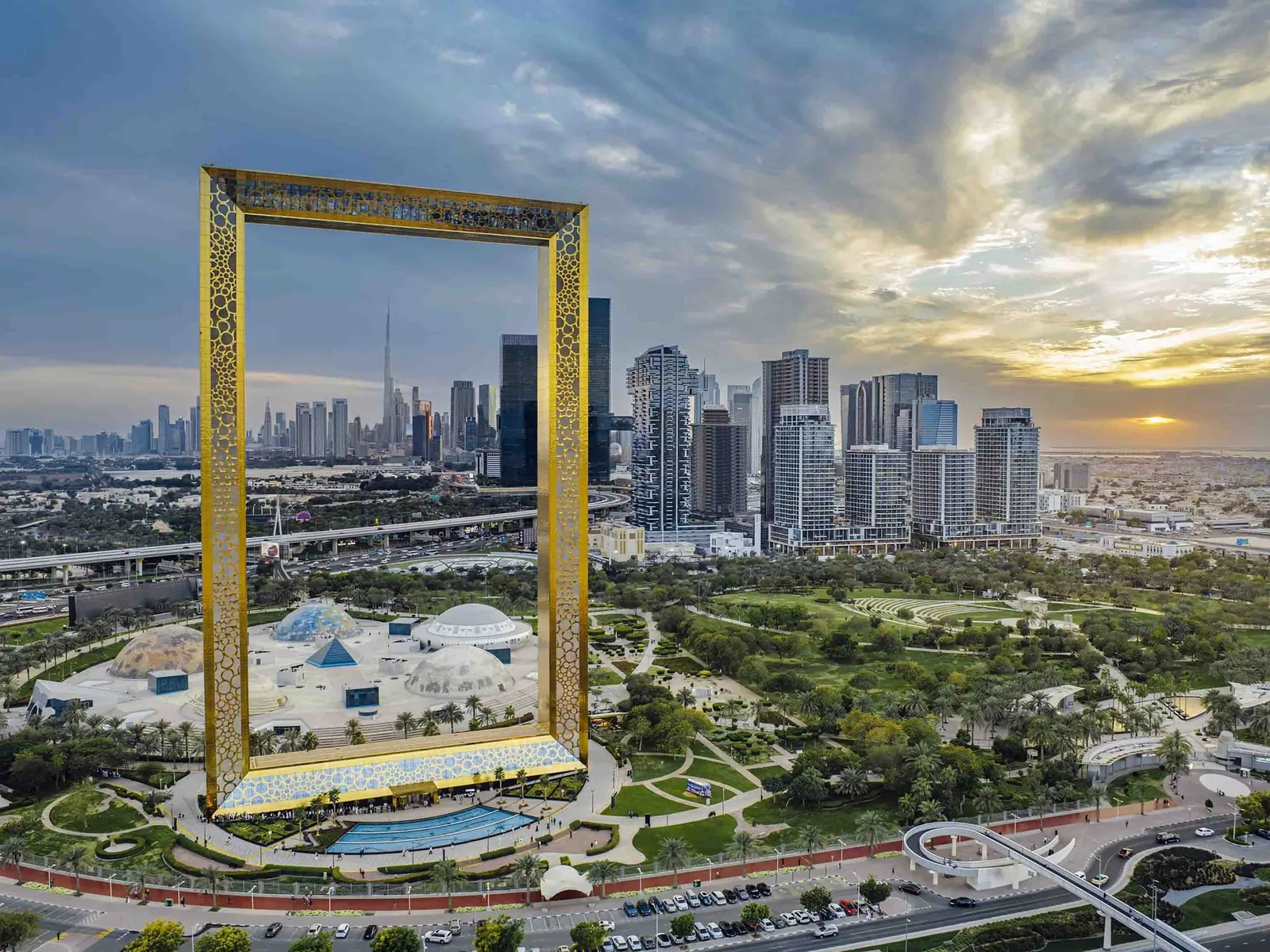
Ownership rights in Dubai: where do foreign nationals stand?
Buying restrictions for foreigners by nationality: myth or reality?
Freehold zoning and wealth-building: what opportunities for foreign companies and individuals?
Taxation: what are the implications for foreign owners in Dubai?
Frequently asked questions about buying restrictions for foreigners in Dubai
Dubai's real estate market attracts many international investors thanks to favorable, transparent regulations. Many people wonder about buying restrictions for foreigners, particularly based on the nationality or status of the prospective buyer. Understanding ownership rights in Dubai, along with local laws, makes it possible to approach an investment project with confidence. Here's a detailed look at property access for nationals of different countries in the Emirate.
Ownership rights in Dubai: where do foreign nationals stand?
Dubai has developed an open policy to attract international capital into its real estate sector. Access to full ownership, however, doesn't cover the entire city. Foreign nationals can become owners in certain designated freehold zones, specifically set out under Emirati regulations.
In these neighborhoods, every foreign investor, regardless of nationality, can obtain full real estate ownership. This status provides legal security equivalent to that of nationals, provided the strict local purchasing conditions are met. Outside these zones, only Emiratis and citizens of the Gulf Cooperation Council (GCC) enjoy unrestricted access to property.
Buying restrictions for foreigners by nationality: myth or reality?
The law distinguishes two main statuses regarding land acquisition: nationals and foreign nationals. For the latter, no official list formally excludes any nationality from buying in freehold zones. Local regulations therefore consider every application without discrimination, except in special cases tied to international or diplomatic sanctions.
That said, it's worth noting that every interested foreign investor must follow the legal procedures in force for a real estate purchase. On this point, it's necessary to learn about the steps to buy a house in Dubai as a foreigner, since certain specific documents are required, particularly valid ID and verification of the source of funds. Some indirect limitations do exist, however. Nationalities subject to an embargo or international restrictive measures sometimes face additional requirements when buying. This mainly concerns verifying the source of funds and banking compliance. These restrictions remain marginal and affect only a few specific profiles in Dubai.
Which countries face specific difficulties?
Nationals of countries under trade sanctions or subject to significant banking restrictions often face longer administrative procedures. Banks then apply stricter checks on the source of funds and the buyer's identity. This situation generally extends the review period but doesn't systematically block access to ownership.
Common examples:
Iranian nationals subject to thorough checks
Investors from Syria, North Korea, Sudan closely monitored
Countries sanctioned by the United Nations or the European Union
An investor from an affected country should anticipate advanced banking verification and must justify all their financial contributions when buying in Dubai.
The impact on ownership rights in Dubai
Local regulations state that in freehold zones, anyone, regardless of nationality, can legally acquire property. The constraints observed mainly relate to anti-money-laundering efforts rather than exclusion based on nationality. They aim to ensure the legality of the financing used.
For certain sensitive profiles, obtaining a residence/investment permit may be subject to specific conditions. That said, the vast majority of foreign nationalities have free access to Dubai's new-build real estate market as long as they comply with current legislation.
Freehold zoning and wealth-building: what opportunities for foreign companies and individuals?
Dubai has designated precise zones where ownership rights prove very appealing to international investors. In these freehold zones, individuals as well as foreign companies buy and hold their property in full ownership. This openness supports a diverse range of investor profiles in Dubai.
In addition, investing in the financial sector also offers unique prospects. Those wanting to diversify their holdings can turn to investment in the Dubai International Financial Centre (DIFC), a center that allows 100% foreign ownership and guarantees great freedom in financial operations. Neighborhoods involved include Dubai Marina, Palm Jumeirah, Jumeirah Village Circle and Downtown Dubai. Investing in these areas ensures rights similar to those of local residents and secures the real estate assets acquired.
Differences between personal purchases and acquisitions through a foreign company
Acquiring a property through a foreign company offers advantages in terms of wealth structuring, confidentiality and sometimes taxation. Only certain legal forms are accepted. It's often necessary to register the company locally or use an offshore structure recognized in Dubai.
Comparison table:
This table summarizes the main terms depending on the type of investor wanting to access property in Dubai.
Obtaining a residence/investment permit: key points
Buying property in a designated/freehold zone grants access to a residence permit tied to the investment. This benefit particularly appeals to expatriates and French-speaking investors. The minimum amount invested regularly determines whether this permit is granted, and it makes managing the property easier while extending the length of stay in Dubai.
To benefit from this advantage, you must strictly follow the procedure set out by the Dubai Land Department and comply with all financial compliance obligations. Many local legal services assist foreign buyers to streamline and secure every step of the purchasing process.
Taxation: what are the implications for foreign owners in Dubai?
Dubai offers an appealing tax regime for foreign nationals. No tax is charged locally on rental income or real estate capital gains. Only transfer fees, around 4% of the purchase price, apply when ownership is transferred.
Every buyer must check their own tax situation in their country of residence. An investor based in a heavily taxed jurisdiction may need to declare the income generated or the value of the assets held in Dubai. Anticipating these aspects limits the risk of misunderstanding regarding applicable taxation.
Comparison with other major international real estate markets
Comparing taxation in Dubai with that of other major real estate destinations helps gauge the competitiveness of the local model. Here's an overview in table form:
This reduced tax regime explains the growing enthusiasm of French-speaking investors for Dubai's real estate market.
Frequently asked questions about buying restrictions for foreigners in Dubai
How can I know if my nationality faces buying restrictions in Dubai?
No official list bars access to property in Dubai based on nationality, outside of international sanctions contexts. Nationals of every country can invest in designated/freehold zones, provided they comply with banking and customs regulations. Banks always carry out a check on the source of funds for nationalities considered "at risk."
Enhanced banking onboarding for sanctioned countries
Longer timelines for validating transactions
Possible exclusion in rare, justified cases
What are the differences between a personal purchase and an acquisition through a foreign company?
Buying in your own name means dealing directly with the Dubai Land Department. A foreign company offers wealth-structuring options. Certain offshore companies, particularly those registered in Ras Al Khaimah or in a free zone, benefit from simplified procedures. That said, additional documents on shareholding and regulatory compliance must be provided.
What tax advantages exist for foreign owners in Dubai?
Dubai stands out for its limited taxation on real estate ownership. No tax on rental income or annual property tax is required from foreign owners. The only mandatory fees are property transfer fees, around 4%, along with shared maintenance charges depending on the development.
No capital gains tax
No local property tax
Only a few fixed charges tied to management and upkeep
Does buying property automatically grant a residence permit in Dubai?
Buying a property in a designated/freehold zone opens the possibility of applying for a residence permit tied to the investment. The minimum amount to invest varies depending on the period and government programs. This option isn't automatic and requires compliance with all the procedures set by the Dubai Land Department and immigration authorities.
Minimum investment required (often above AED 750,000)
Available for the spouse and children as well
Renewable permit as long as the property is retained
Read also:
Working in Dubai: the 2025 guide
Retiring in Dubai: 0% taxation and the 5-year visa
Summer 2025: What to do in Dubai – Complete guide to what's new
Average rental prices in Dubai by neighborhood
Also on Madely Properties
Mirdif: an affordable, central family neighborhood
What laws protect off-plan buyers in Dubai?