Monthly rent
Service charges
Housing fee
Utilities (DEWA)
Buying Off-Plan: A Financially Smart Alternative
Renting in Dubai calls for a close look at recurring costs, which can vary by as much as 60% between premium neighborhoods and outlying areas. This article breaks down the typical monthly costs of a Dubai apartment, from average rent (AED 7,400 for a two-bedroom) to the municipality housing fee (5% of annual rent). Drawing on 2024 data, it outlines strategies for anticipating market fluctuations and managing your budget against service charges that range from AED 12 to 67 per square foot depending on the amenities included.
Monthly rent
Rents in Dubai range from around €600 for a studio to AED 8,000 for a two-bedroom apartment, with sharp variation between neighborhoods. Dubai Marina properties command rates 60% higher than outlying areas such as Dubailand, where villas start from around €1,500 a month.
The rental market rose 16% in 2024, driven by an influx of international residents. Prices have been climbing since 2022, but 2025 forecasts point to a stabilization for standard apartments — unlike the premium segment, where demand continues to outstrip supply.
Service charges
Service charges cover the upkeep of shared spaces and range from AED 12 to 67 per square foot depending on what’s included. Premium buildings with pools and gyms run about 30% higher than standard residences.
Dubai Marina and JBR: a price comparison. Outlying areas offer basic maintenance packages from around €500 a month, suited to tighter budgets.
Housing fee
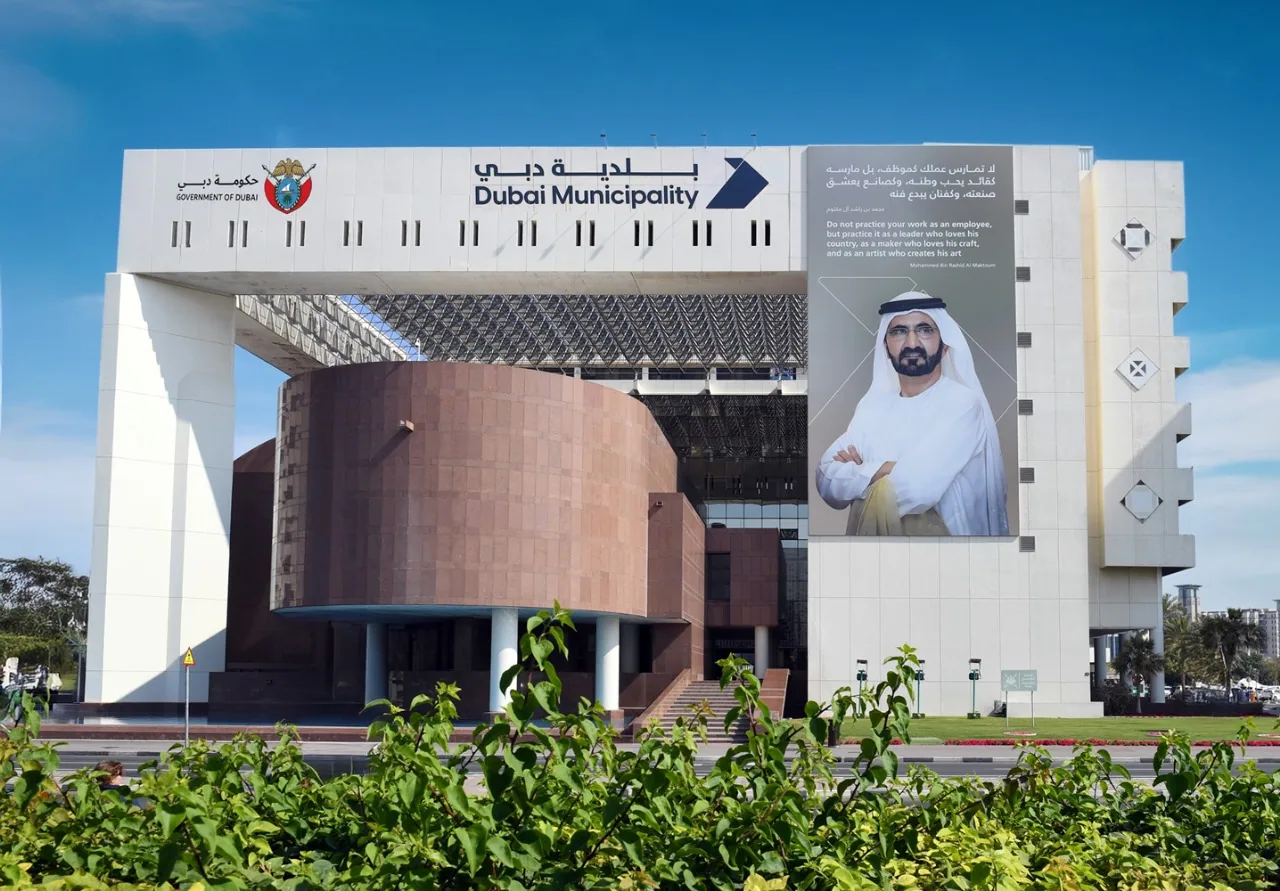
Tenants pay 5% of the annual rent through DEWA, split across twelve monthly instalments. For a studio renting at AED 60,000 a year, that works out to AED 250 a month. Owners pay 0.5% of the property’s rateable value, though Emirati nationals are exempt on their primary residence.
The 2025 reforms keep the rate at 5% but extend it to cover seasonal rentals. Foreign residents should factor this change into their rental budgets.
Utilities (DEWA)
The DEWA bill combines all energy costs and municipal services tied to the home.
Electricity: the largest expense, billed on a tiered scale, with air conditioning accounting for 40 to 60% of average consumption
Water: individually metered by cubic metre, plus a fixed distribution charge
Housing fee: 5% of annual rent for tenants, spread across twelve monthly instalments
Municipal services: AED 10-20 per square metre a year for waste collection and urban upkeep
Connection fees: AED 2,000-4,000 upfront to connect to the DEWA network
Cutting costs means choosing A+++-rated appliances and staying mindful of the tiered pricing thresholds. “Chiller-free” apartments eliminate air-conditioning charges altogether, trimming the bill by an average of 30%, depending on the setup.
Buying Off-Plan: A Financially Smart Alternative
Buying off-plan is a smart budgeting strategy that can significantly reduce upfront costs. Off-plan projects offer payment plans spread over 24 to 48 months, easing the cash-flow burden on buyers during construction. This route also opens the door to negotiating preferential prices, often 15 to 25% below secondary-market rates, while still allowing buyers to customize the finishes. Developers frequently bundle “all-inclusive” packages covering DEWA connection fees and registration, simplifying the paperwork. For investors, off-plan properties also carry strong appreciation potential from the moment of handover, turning routine costs into an opportunity for returns.
Municipal fees
Municipal fees include waste collection at AED 10-20 per square metre a year. Late payments incur a 2% monthly surcharge, and services can be suspended after 60 days of non-payment.
Home insurance
Comprehensive home insurance covers fire and property damage, with premiums ranging from 0.1% to 0.5% of the property’s value. Villas often require additional coverage against water damage and sandstorms.
For an apartment valued at AED 1 million, insurance runs AED 1,000 to 5,000 a year. When comparing policies, be sure to check the deductibles and exclusions tied to local climate risks.
Maintenance and upkeep
Landlords are responsible for structural repairs and fixed installations, while tenants handle routine upkeep and expenses under AED 1,000, such as replacing light bulbs or bathroom seals.
A standard plumbing call-out costs AED 300-500, while annual AC maintenance runs AED 800-1,200. Comprehensive annual maintenance contracts save around 15% compared with paying for one-off call-outs.
Administrative fees
Notary fees run 4% of the purchase price, plus AED 200 for Ejari registration. Negotiating contract terms and watching for promotions can help keep these extra costs down.
Registration fees stay at 4% in 2025 but now also apply to seasonal rentals. Investors should watch for hidden charges and stick with licensed developers to avoid disputes.
Comparison
Choosing between renting and buying comes down to weighing upfront costs against recurring charges. Central neighborhoods account for 70% of overall costs, versus 40% in outlying areas, for a more balanced budget.
The cost of running an apartment in Dubai varies by neighborhood, property type, and included services, with significant gaps between premium and outlying areas. Mandatory charges (DEWA, the housing fee) and the 2025 regulatory changes call for careful budget planning. Reviewing the detailed comparison helps you anticipate real costs in a property market that keeps evolving.
FAQ
Which charges are included in the rent?
In Dubai, what’s included in the rent varies from one contract to the next. Some leases include water and electricity, billed through DEWA, which can add around €150 a month. A “Chiller-Free” listing means air-conditioning costs are already included.
The municipality housing fee, set at 5% of the total, is billed through DEWA. Service charges are generally the landlord’s responsibility. It’s essential to check that the lease clearly states which charges are included.
What’s the average net salary in Dubai?
The average net salary in Dubai varies by profession, experience, and nationality. Some sources put the average expat salary at around €2,500 net per month, while others cite higher figures of up to €3,965.
These figures are only averages and may not reflect every worker’s reality. Salaries can be more attractive than in Western countries for skilled expats, though significant pay disparities exist. Salaries are typically set by the employer and may include benefits such as housing.
How do you become a property owner in Dubai?
To become a property owner in Dubai, you can buy directly from a developer or on the secondary market. It’s advisable to go through a reputable real estate agency to avoid scams. Foreign investors can only buy in designated freehold zones.
The buying process is fairly straightforward and requires a valid passport. An appointment is then booked at a Trustee office — a notary licensed by the Land Department — where the transaction takes place. The notary charges fees of around 4% of the purchase price.
Read also:
Average rental prices in Dubai by neighborhood
Luxury villa price ranges in Dubai by neighborhood
Retiring in Dubai: 0% Tax and the 5-Year Visa
Rental Prices in Downtown Dubai: A Detailed Analysis
Also on Madely Properties
Rental Investment in Dubai: Returns and Leverage
How to Check a Developer’s Reliability in Dubai: Methods and Tips for Investors