Entry requirements and visa for Dubai
What's the best time to go, and how do you handle the climate?
Budget and cost of living in Dubai
Where to stay and how to choose your accommodation?
Booking flights and plane tickets to Dubai
Every year, Dubai attracts millions of travelers drawn to its unique blend of modernity, tradition and spectacular scenery. Planning a successful stay in this ambitious city means thinking ahead about several key aspects, from entry requirements to destination-specific practical tips. Discover all the essential information to make the most of your trip, stay safe, and fully enjoy everything this Middle Eastern capital of luxury has to offer.
Entry requirements and visa for Dubai
Before booking your flight, it's essential to check the entry requirements and visa rules for Dubai. Depending on your nationality, you may need to obtain a visa in advance, or a temporary exemption may apply on arrival. Nationals of many French-speaking countries benefit from a simplified process, but a valid passport is still a must.
The length of stay allowed depends on the type of visa. For short tourist trips of under 30 days, the process is usually quick, with a stamp issued at the airport. Check for official updates a few weeks before departure to avoid any unpleasant surprises.
Passport and essential travel documents
A valid passport — generally with at least six months of validity remaining after your planned return date — is an absolute must. Also check the pages showing previously used visas to avoid any issue during inspection. Keep digital copies of your important documents on you: hotel confirmation, plane tickets, health insurance, and so on.
Some airlines may ask for proof of onward travel or an accommodation booking before letting you board a flight to Dubai. Gather these documents in advance to speed up customs clearance and give yourself peace of mind about your paperwork.
What's the best time to go, and how do you handle the climate?
Dubai's climate has a major influence on the traveler experience. The city enjoys near-constant sunshine, but also high temperatures, especially from April to October. Planning your trip during the ideal period makes for a much more comfortable experience when it comes to enjoying urban and beach activities. Summers can get very hot, so it's essential to adapt your daily schedule to the conditions to avoid discomfort from intense sun exposure.
The most pleasant months to visit Dubai run from November to March, with highs hovering around 25°C. This is also peak tourist season, so book your hotel and flights early. Outside this window, be ready to face the heat, particularly if you're sensitive to temperatures above 40°C. Families traveling with young adults should also keep an eye on age-related rules, since the legal age in Dubai governs various civil rights and obligations.
Practical tips on the local climate
Dress in light, loose-fitting, light-colored clothing. Favor natural fabrics, and don't forget sunglasses, a hat and sunscreen. Stay hydrated throughout the day, especially if you're planning desert excursions or time near the beach.
High humidity during summer makes the heat feel even more intense. Plan frequent breaks inside air-conditioned malls, museums or attractions to cool off and recharge before continuing your sightseeing. Another cost-saving factor to plan for is smart parking choices during your travels, since paying for parking in Dubai can be worthwhile depending on how often you use it and the area.
Budget and cost of living in Dubai
Planning your trip's budget lets you approach every stage of your stay with confidence. The cost of living in Dubai can seem high, especially if you're aiming for upscale hotels, fine dining or certain premium activities. That said, there are also affordable alternatives that let you control spending without sacrificing experience or comfort.
Always compare prices across the different options available, and favor early bookings, which bring costs down, particularly for flights and hotels. Here's a general overview to help you plan your budget:
Accommodation: from budget hostels to luxury suites, prices vary widely by season.
Meals: affordable international food at food courts, steeper bills at upscale restaurants.
Transport: a modern metro, affordable taxis, and moderately priced car rental outside city centers.
Activities: some must-see attractions are pricey, but many public spaces and beaches are free.
Where to stay and how to choose your accommodation?
Accommodation is one of the biggest expenses, particularly in central districts like Downtown, Dubai Marina or Jumeirah Beach. Booking in advance opens up a wide range of options, from modern residences to more affordable boutique hotels.
Factor in proximity to points of interest, access to transport, and included services such as breakfast or a free shuttle. Some properties offer great value packages for families or ones suited to business trips.
Serviced apartment: practical for long stays, kitchenette included
Hotel room: standard comfort, concierge services
Vacation rental: flexible for groups, a good option outside the center
Booking flights and plane tickets to Dubai
Your choice of plane tickets depends on how flexible your dates are, how prices compare, and sometimes on the free cabin baggage allowance. Several well-connected airports serve the destination, which increases your chances of finding good deals, especially in low season.
Arriving at the main international airport guarantees easy access to the city center via metro, taxis and private transfer services available around the clock. Plan around periods of high demand and watch for promotional alerts to save on this essential part of your budget.
Getting around once you're there
Getting around Dubai is straightforward thanks to an extensive public transport network: an efficient metro, air-conditioned buses, trams and plentiful taxis make it easy to reach the main sites. Get a rechargeable Nol card to travel at the best price, skip the lines and plan your daily trips easily.
To explore the surrounding area or reach less crowded beaches, renting a car offers independence and flexibility. Follow local traffic rules carefully, as checks are frequent and fines can be steep.
Smart travel tips for Dubai
Download a mobile app to track metro schedules and routes in real time or book an official taxi. Adjust your travel times to cut down on time spent in the frequent end-of-day traffic jams.
If you're planning several evenings out or meals in different neighborhoods, group your activities by area to streamline your trips and make the most of your time on the ground.
Top activities and must-see sights in Dubai
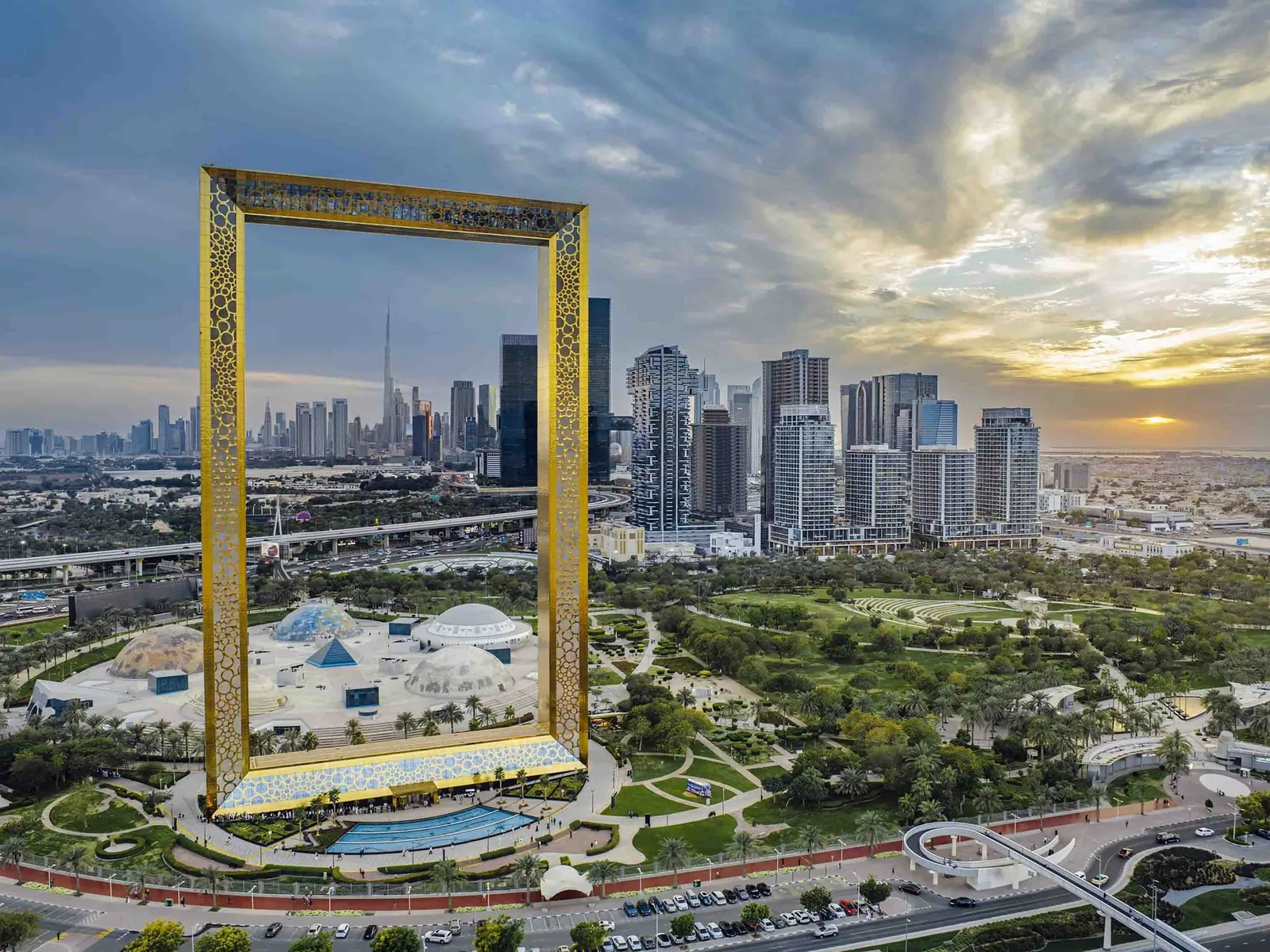
Abu Dhabi is just 90 minutes away, but Dubai itself already offers a wealth of activities: futuristic architecture, landscaped beaches, traditional souks and impressive shopping malls all compete for your attention. Must-see sites include the Burj Khalifa, Palm Jumeirah and Dubai Mall, not to mention unique experiences like a Creek cruise or a desert safari.
Don't miss strolling through Old Dubai: Deira and Al Fahidi reveal an authentic side of the city, quite different from the opulence of its modern towers. Mix cultural activities, beach relaxation and family fun to keep your itinerary balanced.
Visit the Burj Khalifa
Shopping at the Gold Souk
Beach time at JBR or Kite Beach
Desert excursion and traditional barbecue
Practical health and safety tips for Dubai
Planning ahead for health and safety concerns avoids plenty of potential hassle. A modern medical system serves the city efficiently, with international clinics and pharmacies in every district. It's advisable to take out health insurance covering unexpected medical costs and hospitalization.
Dubai stands out for its high level of safety, but certain rules around alcohol, dress and public behavior are strictly enforced: respect these standards to avoid misunderstandings and penalties. Only drink in licensed venues and behave respectfully in public spaces.
Frequently asked questions before a trip to Dubai
What travel documents do you need to go to Dubai?
Passport valid for at least six months after your return date
A specific visa depending on nationality and length of stay
Booking documents: return or one-way flight, accommodation and, if relevant, health insurance
Also carry digital copies of everything so you can quickly deal with any loss or oversight during your trip.
What's the best time to visit Dubai based on the climate?
The months from November to March offer pleasant temperatures (between 20°C and 30°C) that make sightseeing and outings easy. During summer, both the UV index and humidity climb sharply.
What precautions should you take to stay healthy and safe in Dubai?
Drink enough water every day to cope with the heat
Respect local laws on dress and behavior
See a doctor if needed through the modern hospital networks available everywhere
Travel insurance with medical coverage is highly recommended. Always store your personal belongings in a secure safe or keep them with you while out and about.
How can you manage your budget and control the cost of living in Dubai?
Regularly comparing accommodation deals, favoring local meals and using public transport all help keep daily expenses down.
Choose mall food courts for varied, affordable meals
Use the Nol card to get the most out of public transport
Take advantage of special offers and discounts on attractions' official websites
Avoid peak season if possible to benefit from lower prices
Also set a total budget in advance for extras and souvenirs so you don't exceed your initial plan. Finally, keep in mind that the widespread use of electronic payments makes it easy to track your spending.
Read also:
Working in Dubai: the 2025 guide
Retiring in Dubai: 0% Taxation and a 5-Year Visa
Summer 2025: What to Do in Dubai – Complete Guide to What's New
Best family-friendly residential areas in Dubai
Also on Madely Properties
Long-term rental vs. Airbnb in Dubai: which strategy maximizes rental income?
Deira: discovering authentic, traditional Dubai
Rental seasonality in Dubai: understanding peak and low periods to optimize your rental investment