- Define your goal: profitability / residence / wealth-building
- Budget + securing funds
- Search, viewings, signing the MOU
- Financing (mortgage or self-funding)
- DLD registration + obtaining the title deed
Exploring the purchase of property in Dubai opens the door to unique opportunities within a dynamic market. Yet the process can seem complex without a clear understanding of each step and the legislation governing these transactions. Guiding French-speaking investors through this process calls for rigor and clarity. Through this structured guide, let's look together at how to successfully acquire a new-build or off-plan property, from defining the project through to receiving the keys.
Defining your real estate project and building your strategy in Dubai
Starting by defining the real estate project is the essential foundation of any serious approach in Dubai. Clarifying your goals — rental income, a second home, or wealth-building — helps target the type of program, the size of the property and the location best suited to your profile. This preparatory work avoids wasting effort during the selection stage.
The breadth of Dubai's property offering also calls for thinking ahead about the essential criteria. The nature of the neighborhood, the standard of living sought, or accessibility can greatly influence the project's success. It's also advisable to pair this thinking with a realistic estimate of timelines, particularly for new-build property, where delivery is generally spread over several years.
Budget, financial planning and securing funds
Financial commitment is one of the major pillars of the process. Assessing your budget and planning your finances in advance ensure smooth negotiations and proper management of the various payment deadlines inherent to off-plan property. It's advisable to seek advice from an expert real estate agency in Dubai to get personalized support from the earliest stages of the project.
Local taxation and the regulatory requirements tied to transferring funds often require opening a bank account in Dubai. This step not only determines whether the property can be reserved, but also whether mortgage financing can be obtained if you want to optimize the leverage on your investment.
Searching, viewing and choosing the ideal property in Dubai
Active search and selection of a suitable property
The next step is to conduct a methodical search to find the property that matches your strategy. Browsing available listings through a reputable real estate agency provides access to verified listings and makes it easier to compare different new-build projects. Learning about the benefits of buying an apartment in Dubai also helps you better understand the local market.
Industry professionals have thorough knowledge of the local market, which is a valuable asset during the shortlisting phase. They notably assist with reviewing floor plans, understanding included services, or identifying properties covered by RERA guarantees.
Choosing the location/neighborhood and viewing properties
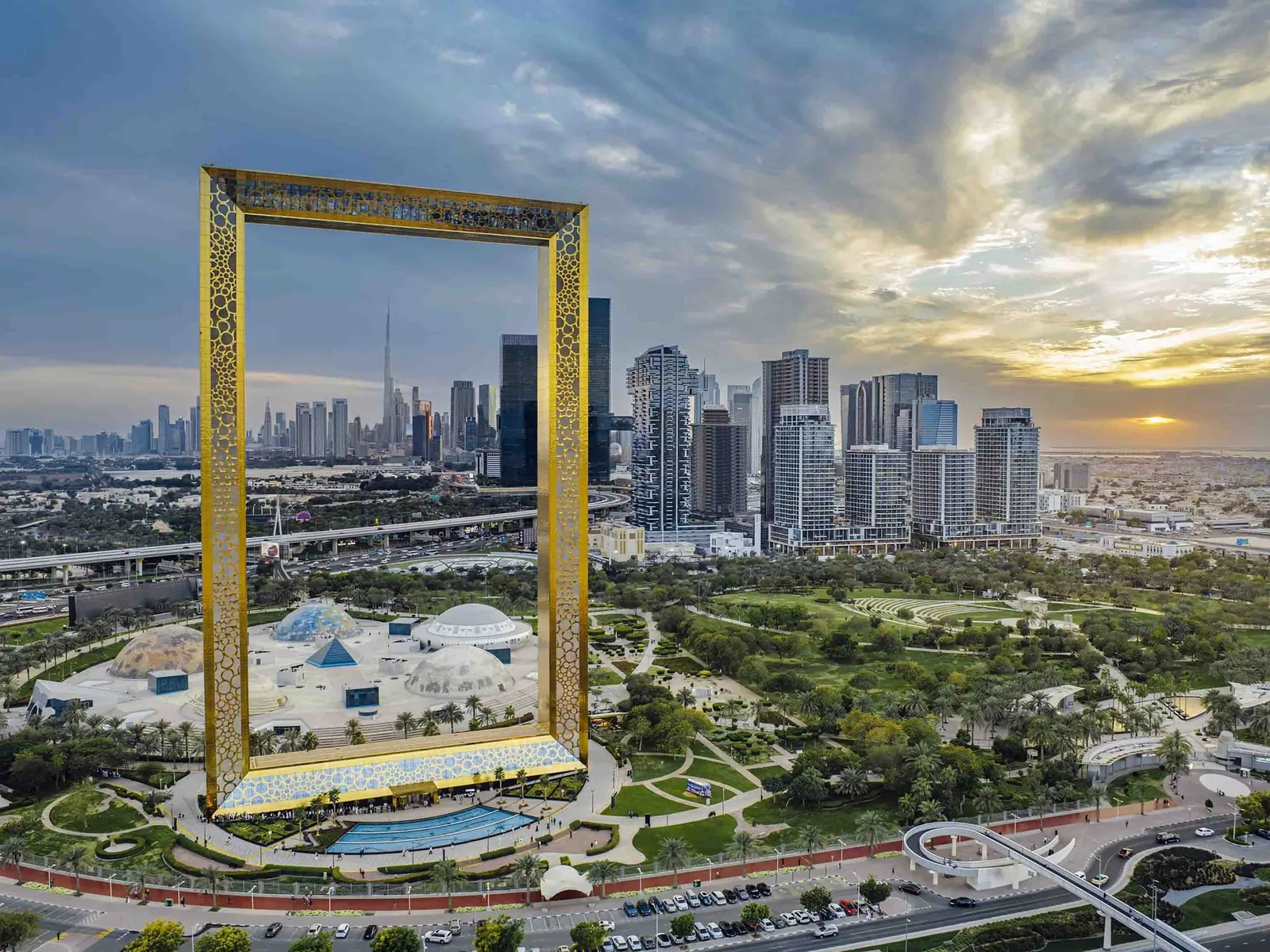
Selecting the right location or neighborhood has a strong influence on the future value of the asset held. Areas such as Downtown, Dubai Marina or Business Bay each have distinct characteristics in terms of neighborhood life, accessibility and rental appeal.
Organizing viewings and inspections lets you confirm on-site that the project matches your expectations. For buildings under construction, this often means visiting show apartments or exploring the immediate surroundings of the project to better picture yourself there.
Reserving the property, security deposit and administrative procedures
The file becomes official as soon as the property is reserved. Paying a security deposit seals the first contractual phase with the developer or seller. This amount, generally between 5% and 10% of the price, secures the property while launching the purchase file.
At this stage, providing a copy of the passport and various proof-of-solvency documents is standard practice. Your real estate agent ensures the documentation is consistent and prepares the signing of the sales agreement, known as the "MOU" (Memorandum of Understanding).
Negotiation, sales agreement (MOU) and formalizing the purchase
Negotiation and validation of the offer's terms
Traditionally, negotiation revolves around the price, the installment payment terms, and sometimes even furniture or specific upgrades. Adjusting the initial offer requires experience and good timing to secure the best possible arrangement when signing the MOU.
Involving a French-speaking expert can simplify communication between an international buyer and a local developer, particularly regarding the translation of contractual terms and reviewing clauses specific to Dubai real estate.
Signing the MOU and the payment schedule
The sales agreement (MOU) formalizes the agreement between the parties: it sets out the final price, the payment stages and the main deadlines. This binding document protects the investor's interests while precisely defining responsibilities during the period before the final transfer of ownership.
Once the MOU is signed, it becomes essential to keep up with the scheduled installment payments, in line with the plan agreed with the developer or seller. Meeting these deadlines makes the administrative process run smoother and speeds up the property's registration with the relevant authorities.
Financing, mortgages and opening a bank account in Dubai
Financing solution and banking procedures
Several options exist for putting together the financing, ranging from self-funding to taking out a mortgage with a local institution. Presenting a solid file increases your chances of getting a favorable property loan in dirhams, tailored to the desired term and the property's expected returns.
To get the process moving quickly, opening a bank account in Dubai becomes essential. This step makes it easier to pay successive installments, set up standing orders for loan payments, or settle service charges after the purchase deed is signed.
Obligations and transaction security
RERA regulations guarantee transparency in transactions and standardize the steps for verifying financial flows. Working with duly licensed agencies strengthens the reliability of the administrative process, from the initial deposit through to receiving the official title deeds.
Setting up local bank financing involves a thorough review of your financial situation and requires additional supporting documents, including a bank statement and a recent employment certificate.
Registration, obtaining the title deed and handing over the keys
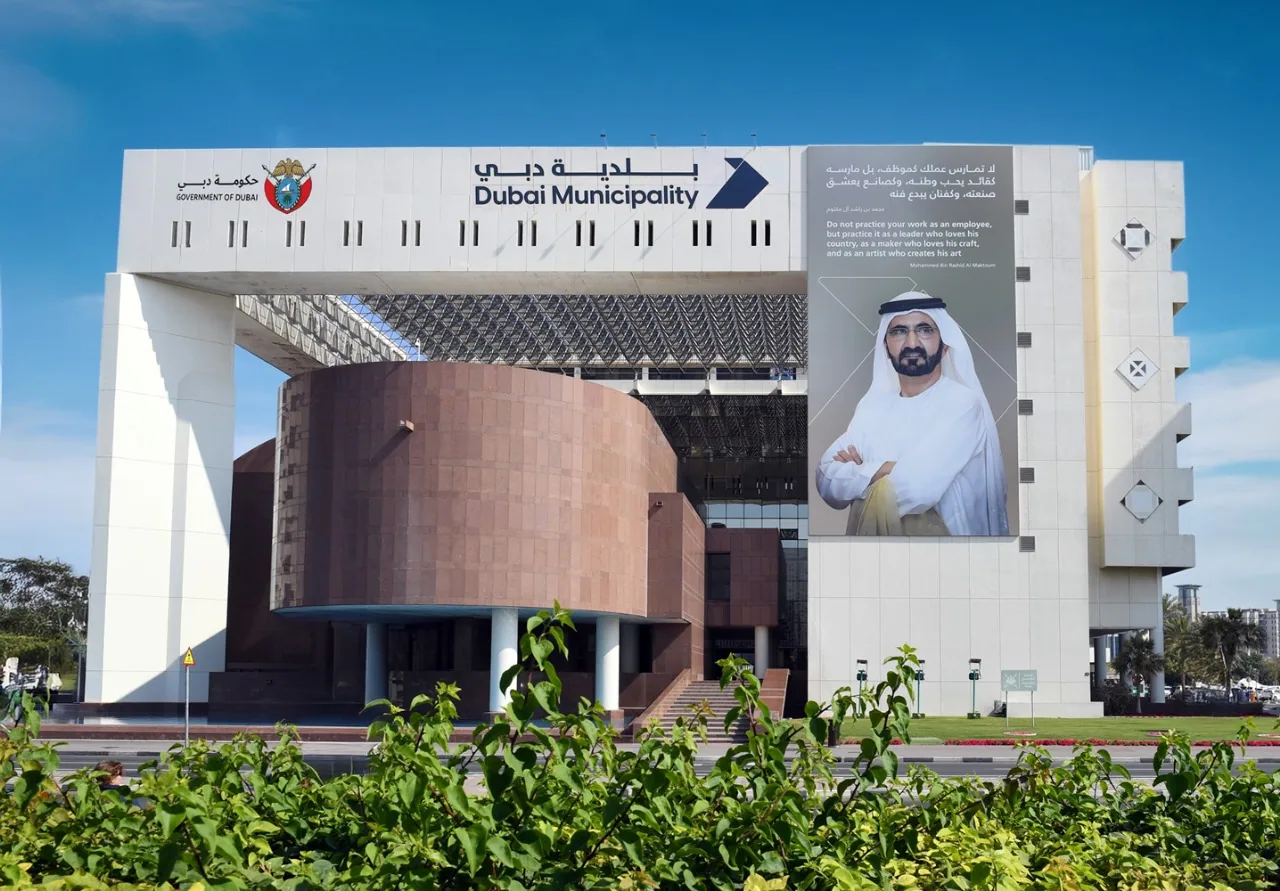
Finalizing the purchase involves registering the property with the relevant bodies, often under the supervision of the chosen real estate agency. At this stage, paying the final taxes, notary fees and commissions allows you to quickly obtain the official title deed ("Title Deed").
The keys are then handed over, marking the actual start of occupancy or rental. Builder warranties typically cover several years, protecting the investment against hidden defects or structural issues found after delivery.
Defining the specific real estate project and identifying goals
Building a precise budget, including all additional fees
Active search through a real estate agency or direct contacts
Confirming the location, viewings and inspecting properties
Reservation, security deposit and submitting supporting documents
Negotiation, signing the sales agreement (MOU) and setting the payment schedule
Arranging mortgage financing and opening a local bank account
Registration, obtaining the title deed and receiving the keys at the end of the process
Frequently asked questions about the steps for buying property in Dubai
What guarantees does new-build property in Dubai offer?
Off-plan projects benefit from regulatory guarantees imposed by RERA, including registration in separate escrow accounts to protect investors' payments. In addition, ten-year warranties cover structural integrity, while after-sales service is provided for several years following delivery.
Refund guarantee if the development is not completed
Building defects insurance for major issues
Regular progress checks by local authorities
Is it mandatory to go through a real estate agency?
It's not strictly mandatory to use a real estate agency, but it brings significant advantages. Support from accredited experts reduces risk, optimizes negotiations and ensures legal obligations are met at every stage of the purchase.
Secure access to the official RERA database
Ongoing administrative and legal assistance
Support with banking and tax procedures
Can a foreigner get a mortgage?
Foreign nationals have access to bank financing in Dubai, provided they show stable income and generally provide a down payment of at least 20%. Several options exist depending on the applicant's status, the type of property and its location.
What are the main additional fees to plan for?
Buying property in Dubai involves paying various additional fees such as registration fees, real estate agency commissions and certain service charges. These expenses should be carefully budgeted for to ensure the deal is viable.
DLD (Dubai Land Department) fees: around 4%
Title deed issuance fee: varies depending on the project
Agency commissions: 2% on average
Read also:
Working in Dubai: the 2025 guide
Summer 2025: What to Do in Dubai – Complete Guide to What's New
Retiring in Dubai: 0% Tax and the 5-Year Visa
Average rental prices in Dubai by neighborhood
Also on Madely Properties
Alternative investments in Dubai: beyond the classic apartment
How to diversify your real estate portfolio in Dubai to maximize your wealth
Long-term rental vs. Airbnb in Dubai: which strategy should you choose to optimize your rental income?