RERA: the regulatory body to know before any project
Freehold vs. leasehold zones: a direct impact on ownership
Short-term volatility: risk of a temporary drop in value
Always check the agent's license number
Due diligence: title, contract, legal status
Dubai is attracting a growing number of French-speaking investors thanks to a dynamic real estate market and appealing returns. Despite these advantages, several obstacles can complicate the buying process, particularly for those unfamiliar with local practices or specific regulations. This article walks you through the main pitfalls to avoid and helps you make the right decisions in the face of real estate investment risks.
Understanding local regulations and the legal framework
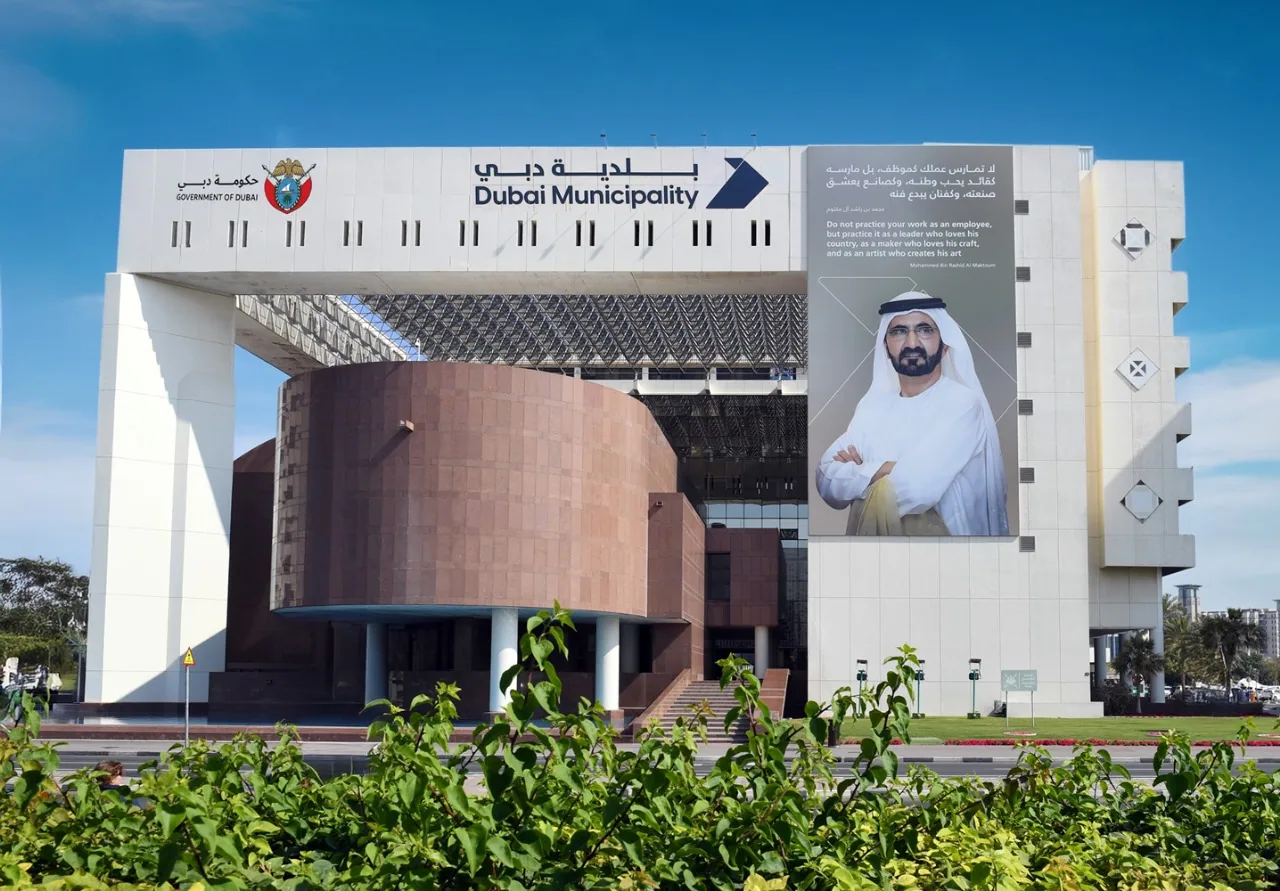
One common mistake when buying property is a poor understanding of the local market, which has its own legal system. In Dubai, any purchase project must comply with strict regulations overseen by authorities such as RERA (the Real Estate Regulatory Agency). Property rights and ownership status vary depending on the property's location, which often calls for a thorough preliminary study.
Properties in certain zones carry freehold status, allowing foreign investors full ownership. In other neighborhoods, only long-term leases, known as leasehold, are granted, limiting certain owner rights. A careful review of the sales deed is therefore essential to confirm it fully matches your investment project.
Issues linked to volatility in Dubai's real estate market
Real estate market volatility can quickly turn a promising opportunity into a source of worry or financial loss. Price swings are common and sometimes dramatic, affecting the value or liquidity of acquired assets. To get an overview of the difficulties buyers face, it's worth checking a list of the bureaucratic obstacles when buying property in Dubai to better anticipate the administrative steps involved.
To limit exposure to real estate investment risks, it's advisable to consult reliable data on local economic cycles and analyze the latest trends, such as occupancy rates, rental demand or the growth outlook for developing neighborhoods.
Follow the annual reports from the local real estate agency
Compare average prices per square meter by area
Check announcements of planned infrastructure nearby
Poor preparation and rushing through the buying process
There are many cases where a purchase is made in haste or without enough preparation, leading to costly consequences down the line. An overly hasty decision often comes from not knowing Dubai's specific procedures, or from getting carried away by an attractive offer.
One of the essential steps remains precise budget planning, covering both the property's price and the additional fees and hidden costs, such as:
Notary and registration fees
Real estate agency commissions
Service or management charges
Maintenance costs
Anticipating all these items avoids unpleasant surprises and ensures a smooth purchase. It's also essential to know the process for registering a rental contract; there is a detailed practical guide on registering a lease through the Ejari system in Dubai that makes dealing with local authorities easier.
Risks related to choosing a reliable real estate agent
Choosing the right real estate agent is a decisive step: working with an uncertified professional is one of the major risks behind many common mistakes when buying property in Dubai. Turning to a recognized expert accredited by RERA secures the transaction but requires a few preliminary checks.
Precautions to take include checking client references, reviewing their reputation on professional networks, or systematically asking for their license number. Reputable agents often offer full support throughout the process, from searching for properties through to signing before a notary.
Require presentation of the official certificate
Ask for concrete examples of successful past deals
Essential checks and due diligence for the investor
Skipping or neglecting the due diligence phase inevitably exposes you to unpleasant surprises after the transaction. This step involves closely examining all the legal, financial and administrative documents relating to the property in question, to confirm the sale's legitimacy and the title deed's compliance.
Key documents to review include the reservation contract, the building permit, and the completion certificates issued by local authorities. A careful review can also detect any debts tied to the property, or ongoing disputes that could become the new buyer's liability.
Frequently asked questions about buying property in Dubai
What are the main additional fees and hidden costs when buying property in Dubai?
Beyond the purchase price, the final budget must include several additional fees and hidden costs. These include agency commissions, registration and notary fees, service charges, as well as any maintenance or shared service costs. These expenses vary depending on the type of property and the location chosen.
Agency commission (often 2 to 5% of the property price)
Registration fees (around 4% in many areas)
Annual service charges that vary by residence
How do you choose a reliable real estate agent in Dubai?
A good real estate agent holds a license issued by RERA and has solid references. Always ask to see their certificate and check reviews from previous clients. Favor those who demonstrate their professionalism by sharing a detailed history of recent transactions and offering quality support, from the first viewing through to handing over the keys.
Check that the license is valid
Contact several previous clients or partners
Analyze the responses you get during initial contact
What real estate investment risks are specific to Dubai?
Dubai's market carries particular risks, including real estate market volatility, the variety of ownership statuses, or a lack of reliable information about certain off-plan projects. There is also a risk tied to choosing unregulated offers or insufficient checks and due diligence before the transaction.
How can you confirm ownership rights and status before buying?
Before signing anything, carefully review the property file. Ask to obtain the registration certificate from the relevant authorities. Check whether the property is freehold (full ownership) or leasehold (long-term lease), since the transfer of rights differs greatly between these two regimes.
Always obtain the registered land title
Reread all restrictive clauses in the sales deed
Read also:
Working in Dubai: the 2025 guide
Average rental prices in Dubai by neighborhood
Retiring in Dubai: 0% Tax and the 5-Year Visa
Summer 2025: What to Do in Dubai – Complete Guide to What's New
Also on Madely Properties
Dubai Creek Tower: the future tallest tower in the world redefines Dubai's skyline
Deira: discovering authentic, traditional Dubai
Final transfer at the DLD: process and documents needed to secure your real estate investment in Dubai
Dubai climate: temperatures and weather month by month
Does buying property automatically grant a right of residence?