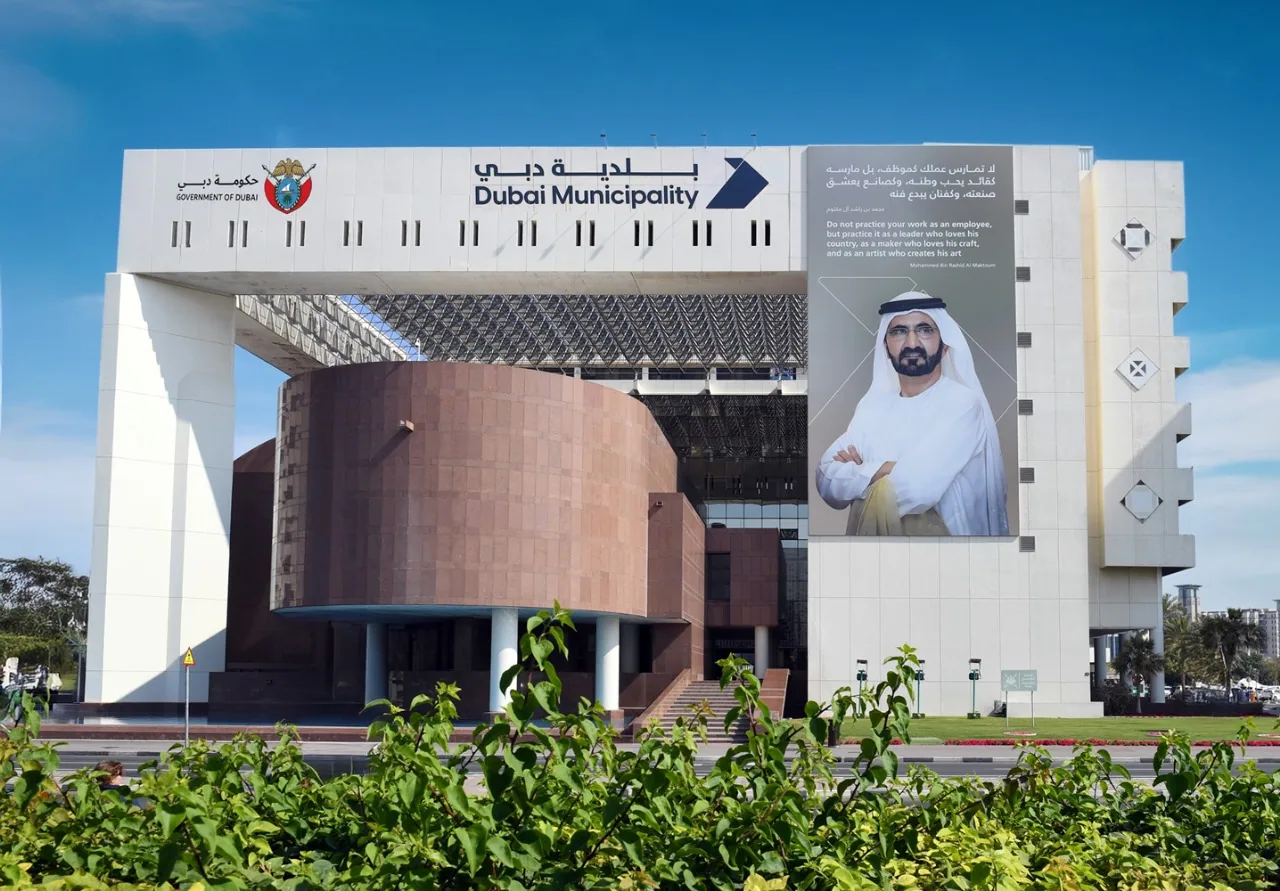
Understanding the legal framework for rental disputes in Dubai
The role of RERA and the Rental Disputes Settlement Centre
Key steps in the dispute resolution process
Main causes of rental disputes in Dubai
Rights and obligations of the parties in a rental dispute
Dubai's dynamic real estate market attracts many investors and expats every year, generating a wide variety of rental agreements. Against this backdrop, managing rental disputes matters a great deal for ensuring legal certainty between landlords and tenants. The Real Estate Regulatory Agency (RERA), together with the Rental Disputes Settlement Centre (RDC/RDSC), plays a central role in resolving these disagreements. Understanding their mission, the steps in the dispute resolution process, and the rights and obligations of both parties helps avoid a great deal of trouble.
Understanding the legal framework for rental disputes in Dubai
The regulation of residential rentals in Dubai rests on a set of strict real estate laws and regulations designed to protect contractual balance and transparency in the sector. RERA's involvement has helped standardize practices, giving both investors and occupants greater certainty around their contractual relationships.
The main legislation, notably Law No. 26 of 2007 and its amendments (Law No. 33 of 2008), clearly sets out the obligations attached to any rental agreement. It also governs rent increases — based on the rent index published by the Dubai Land Department — as well as how disagreements arising during the term or renewal of a lease should be handled.
The role of RERA and the Rental Disputes Settlement Centre
RERA acts as the supervisory authority for all real estate matters and oversees compliance of rental agreements as prescribed by law. Alongside it, the Rental Disputes Settlement Centre serves as the main point of entry when a conflict between landlord and tenant can't be resolved directly.
The Centre provides a structured process for handling all kinds of rental disputes: unpaid rent, return of security deposits, contested rent increases, maintenance of the rented property, or failure to respect the rights and obligations of either party. Every step of the process aims to preserve fairness and trust in the local rental market. If you'd like to learn more about handling disputes in practice and the steps to follow depending on your situation, see this specific guide on handling a rental dispute with RERA in Dubai.
How RERA works to prevent disputes
RERA oversees real estate agencies and ensures leases comply with current law. This oversight significantly limits potential abuses, through the approval of standard lease templates and the regular distribution of information to industry players. Reducing misunderstandings, then, often comes down to strong prevention.
The agency also provides various digital tools letting parties check the legality of their documents or whether a rent increase complies with the official index. This information effort heads off many disputes before they even arise.
The Rental Disputes Settlement Centre's remit and scope
The Rental Disputes Settlement Centre handles all claims related to conflicts that arise after the lease is signed. A fast case-filing system allows for efficient progress toward a resolution, typically within 30 days for standard cases.
Beyond ruling on the validity of rent increases, the judges also examine eviction requests, disputes over the return of security deposits, and questions concerning the maintenance and proper use of the property.
Key steps in the dispute resolution process
Using the right dispute resolution mechanism removes a lot of uncertainty and avoids needless delays. Following the official procedure is mandatory for any party wishing to assert their rights before Dubai's competent tribunal.
A clear timeline helps ensure each step is completed within the allotted time. Here are the main steps followed at the Rental Disputes Settlement Centre:
Filing the case and checking its admissibility
An initial mediation attempt
Review of the case by the judge
Deliberation and ruling
Enforcement of the ruling
Filing and reviewing the case
The first step generally involves filing a complete case with the Settlement Centre. It should include the rental agreement, any correspondence evidencing the dispute, and supporting evidence for each party's position. This stage relies on the official form provided by RERA. Building a solid understanding of the market and local law from the moment you acquire a property greatly reduces this kind of issue, which is why getting a better grasp of the steps to becoming a property owner in Dubai is a real advantage in anticipating disputes.
Once the case is administratively approved, a hearing is scheduled to explore whether an amicable resolution is possible. The Centre then encourages mediation or arbitration before any formal judicial intervention.
Hearing and ruling
If no agreement is reached, the case quickly moves to a hearing where each party presents its arguments, supported if needed by lawyers specializing in real estate law. The judge reviews the case based on the evidence submitted and rules according to current real estate laws and regulations.
Once the ruling is handed down, it is fully enforceable and can lead to coercive measures such as eviction or the recovery of amounts owed. This system ensures the parties' rights and obligations are respected without systematically resorting to lengthy proceedings.
Main causes of rental disputes in Dubai
Rental disputes in Dubai frequently arise around recurring themes affecting both landlords and tenants. Identifying these critical points helps anticipate and reduce friction when drawing up a rental agreement.
Common sources of tension include:
Rent increases that exceed the official rent index
Delayed or missing return of the security deposit
Disputes over routine maintenance and major repairs
The date and terms of early termination
Poor communication during renewal or eviction
In some cases, a lack of familiarity with Dubai's specific real estate laws and regulations leads to persistent misunderstandings, turning what should be a simple discussion into a legal confrontation.
Rights and obligations of the parties in a rental dispute
For the real estate market to stay fluid, each party must honor its commitments and understand its rights. Landlords are required to deliver a property in good condition and respect the legal cap on rent increases, while tenants must pay their rent on time and keep the property in good condition.
The Rental Disputes Settlement Centre rules according to a strict framework:
In the event of a breach, either party is entitled to petition the Centre for redress or clarification, though mediation or arbitration remains the preferred route before any case goes before a judge.
Frequently asked questions about handling rental disputes in Dubai
What types of rental disputes can be brought before the Rental Disputes Settlement Centre?
Unpaid rent
Security deposit not returned
Disputed eviction
Refusal to carry out major repairs
How does mediation work in resolving rental disputes?
Mediation is mandatory when the case is filed
Negotiation assisted by a neutral professional
If it fails, the case moves to a specialized judge
What is the average length of a rental dispute resolution process in Dubai?
What penalties apply for failing to comply with a tribunal ruling on a rental dispute?
Daily penalties
Garnishment of wages or bank accounts
Immediate eviction, depending on the nature of the dispute
Read also:
Working in Dubai: the 2025 guide
Retiring in Dubai: 0% Taxation and a 5-Year Visa
Summer 2025: What to Do in Dubai – Complete Guide to What's New
Rental prices in Downtown Dubai: a detailed analysis
Also on Madely Properties
Property tax in Dubai: amount and payment terms for real estate investors
Premium services in Dubai's luxury residences: an exceptional real estate experience
Transfer fees in Dubai: what they include and how they're calculated for French-speaking investors
Understanding the registration process at the Dubai Land Department: steps, documents and tips