The political system of the United Arab Emirates
Organization of national and local power
The Federal Supreme Council and how it works
Major leaders and iconic figures in Dubai
What are Dubai's administrative bodies?
Dubai is one of the seven emirates that make up the United Arab Emirates. Many people wonder how its government is organized, who holds the key positions of power, and how the city fits into the country's federal system. Understanding Dubai's political structure and the roles of its leaders sheds light on how this major economic hub operates within the Gulf region.
The political system of the United Arab Emirates
The United Arab Emirates stands out for its federal system, in which each emirate has its own government while also taking part in national institutions. This distinctive model has a deep influence on how Dubai is governed and on the role its leaders play, both locally and nationally.
This system rests on both tribal tradition and modern organization, combining centralization with a degree of autonomy for each emirate. The constitution sets out the country's broad organizing principles but leaves local sheikhs considerable latitude to manage their own internal affairs.
Organization of national and local power
At the head of the federation is a President of the United Arab Emirates, elected from among the most influential emirates and usually drawn from Abu Dhabi's ruling family. The Prime Minister is typically appointed from Dubai's leadership. This division reflects the political and economic weight these two leading emirates carry in the country's development.
Dubai also has its own ruler, a role held since 2006 by Sheikh Mohammed bin Rashid Al Maktoum. The Ruler of Dubai holds supreme authority over local affairs, overseeing both economic policy and social matters while also taking an active part in federal institutions.
President of the United Arab Emirates: currently Sheikh Mohamed bin Zayed Al Nahyan (Abu Dhabi)
Prime Minister: generally the Ruler of Dubai (currently Sheikh Mohammed bin Rashid Al Maktoum)
Ruler of Dubai: the emirate's political and religious leader
Federal Supreme Council: made up of the ruling emirates
The Federal Supreme Council and how it works
The Federal Supreme Council is the top decision-making body in the United Arab Emirates. It brings together the rulers of the seven emirates and decides the country's major direction, particularly on foreign relations and security. Dubai always holds a key seat on it, giving the emirate significant influence over strategic decisions at the federal level. According to some international studies, the country has recently stood out, being ranked the second-safest country in the world.
The federal system gives every ruler a voice, and votes are essential for passing any major initiative. Decisions are made by majority, though Abu Dhabi and Dubai hold real leadership thanks to their resources and historical standing.
Composition of the Federal Supreme Council
This council includes the rulers of all seven regions that make up the country: Abu Dhabi, Dubai, Sharjah, Ajman, Umm Al Quwain, Ras Al Khaimah and Fujairah. Each has one vote in the decision-making process.
The presidency of this council traditionally goes to Abu Dhabi, long associated with the family of Sheikh Khalifa bin Zayed Al Nahyan before his passing, and now with his successor, Sheikh Mohammed bin Zayed Al Nahyan. This confirms Abu Dhabi's preeminence within the federal balance.
Role and powers of the Federal Supreme Council
The council holds significant constitutional powers, such as appointing the President of the United Arab Emirates, the Prime Minister and the full cabinet. It also oversees the drafting of federal laws and ensures the different policies pursued by each emirate fit together smoothly.
Council members work closely with their own local administrations to ensure coordination between the federal and regional levels. This explains the stability and continuity seen in the country's rapid development since its founding in 1971. For those looking to settle, invest or rent in the emirate, specialized real estate services in Dubai are available to make every step of the process easier.
Major leaders and iconic figures in Dubai
Dubai owes a great deal to the vision and determination of its successive rulers. For several decades, the Al Maktoum family has guided the emirate toward modernity, combining spectacular economic growth with urban transformation unmatched in the Gulf region.
Sheikh Mohammed bin Rashid Al Maktoum's central role is not limited to running Dubai. As Prime Minister and Vice President of the United Arab Emirates, he has broad influence over policy at the national level.
Sheikh Mohammed bin Rashid Al Maktoum: Ruler of Dubai, Prime Minister and Vice President of the United Arab Emirates
Al Maktoum family: the ruling dynasty since the 19th century
Members of the local government tied to the economic, social and real estate sectors
Sheikh Mohammed bin Rashid Al Maktoum: portrait of a leader
Born in 1949, Sheikh Mohammed embodies the key figure behind Dubai's success. His ability to anticipate global trends, attract investors and talent, and build a strong international image has helped Dubai become a world hub in fields ranging from finance and tourism to aviation and new technology.
He took on public responsibilities early in life and assumed leadership of Dubai after the death of his brother Maktoum bin Rashid in 2006. He brought fresh momentum along with strong ambitions at the federal level, leading to major economic achievements whose reputation keeps growing.
Abu Dhabi's influence on federal politics
While Dubai enjoys considerable autonomy and genuine international reach, the emirate of Abu Dhabi remains the federation's political and military capital. The country's presidency traditionally passes down the line of Sheikh Khalifa bin Zayed Al Nahyan and now Mohammed bin Zayed Al Nahyan, reinforcing the delicate balance struck between the different ruling families.
Abu Dhabi also controls the bulk of the country's oil reserves, a key factor in the federal balance. Its massive investments support numerous national projects, helping maintain the country's cohesion and stability in the face of regional and international challenges.
What are Dubai's administrative bodies?
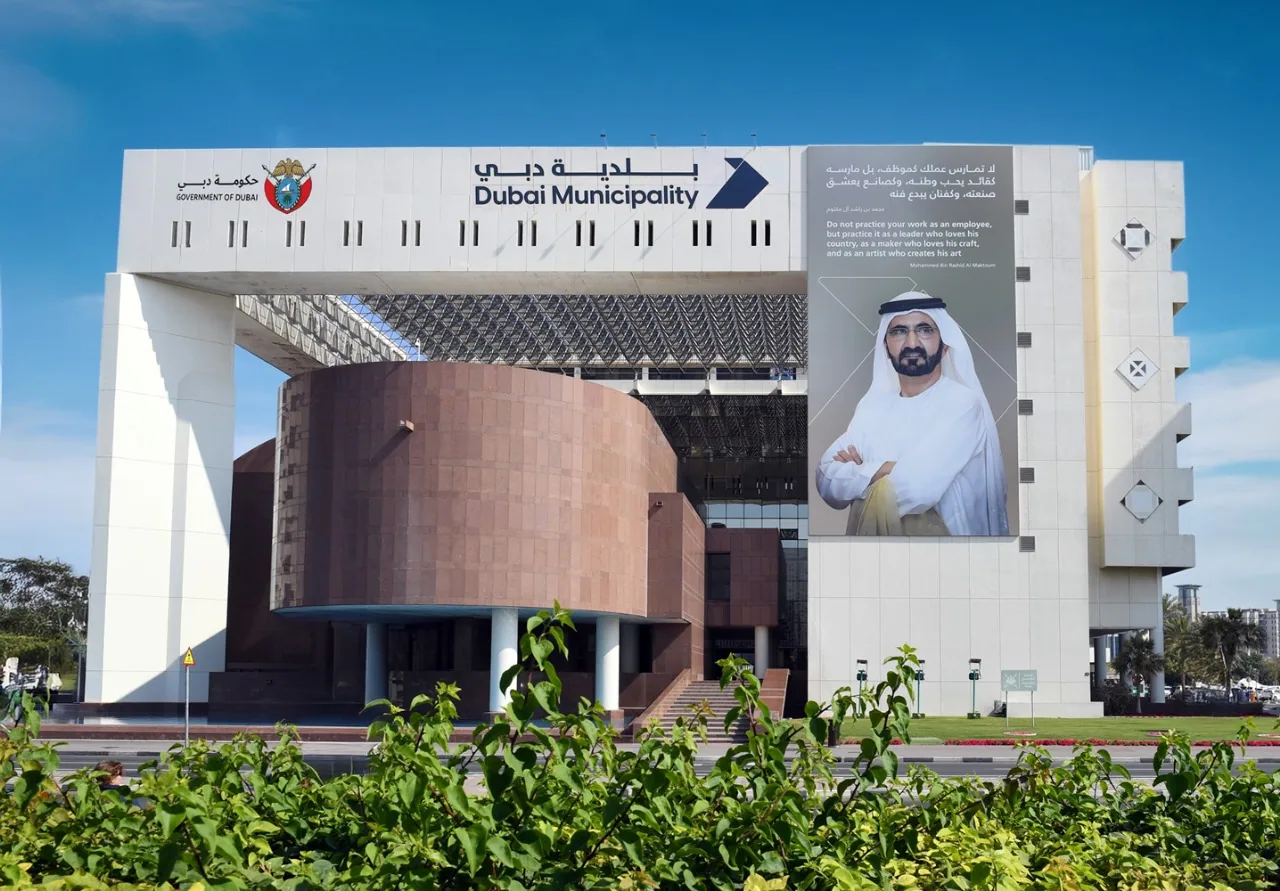
Dubai relies on a range of local institutions tasked with carrying out the policies set by the Ruler and his close advisers. These cover every area, from urban planning and real estate to education and security.
This internal structure is designed to optimize the emirate's day-to-day management while enabling strategic decisions to be implemented quickly. Such a setup gives Dubai flexibility that many more centralized capitals lack.
The Executive Council steers overall strategy, while each sector-specific department adapts and applies instructions within its own area of responsibility, under the ongoing oversight of the Ruler and his advisers.
Frequently asked questions about how Dubai is governed
Is Dubai entirely independent in its political decisions?
Dubai enjoys broad administrative, financial and regulatory autonomy. However, it remains bound by the constitution and by the overall direction set by the Federal Supreme Council of the United Arab Emirates. The emirate must therefore coordinate its major decisions with the rest of the federation, particularly in areas such as defense, foreign policy and currency.
Autonomous local policies
Mandatory coordination on federal matters
Dependence on the federal system for certain decisions
What exactly is the Ruler of Dubai's role within the federal system?
The Ruler of Dubai handles all local affairs through the Executive Council, appoints senior officials and oversees key projects in the emirate. At the same time, he sits on the Federal Supreme Council, helps shape national policy and, most recently, has also served as Prime Minister of the United Arab Emirates. This combination of roles gives him substantial influence both locally and within the federal government.
What are the differences between Dubai and Abu Dhabi in terms of political power?
Abu Dhabi holds the presidency of the United Arab Emirates and commands superior military strength. Dubai stands out for its greater international openness and strong global economic vocation, while still wielding influence at the federal level through its ruler's role as Prime Minister. This complementary relationship creates a unique balance of power between the two emirates.
Federal presidency held by Abu Dhabi
Office of Prime Minister held by Dubai
Greater economic weight for Dubai, greater political and energy weight for Abu Dhabi
How are the leaders of the United Arab Emirates chosen?
The Federal Supreme Council elects the President of the United Arab Emirates from among its members by majority vote. By tradition, this is a member of Abu Dhabi's ruling family. The post of Prime Minister usually goes to the Ruler of Dubai. These key positions ensure institutional stability while maintaining balance among the different emirates.
Vote within the Federal Supreme Council
Informal consultations between ruling families
Decision formalized by federal decree
Read also:
Working in Dubai: the 2025 guide
Retiring in Dubai: 0% Taxation and a 5-Year Visa
Summer 2025: What to Do in Dubai – Complete Guide to What's New