Legal framework and essential formalities
Maintenance and repair obligations
Rent payment, delays and rate adjustments
Privacy rights, home insurance and other key points
Frequently asked questions about the rights and duties of rental parties
Investing in real estate or renting a home in Dubai means complying with a precise legal framework that keeps the relationship between landlords and tenants balanced. RERA regulations and rental laws govern every aspect of a tenancy, from rent payment to dispute handling, including contract registration (Ejari) and home insurance guarantees. Understanding these legal obligations helps avoid costly mistakes while securing every step of the process.
Legal framework and essential formalities
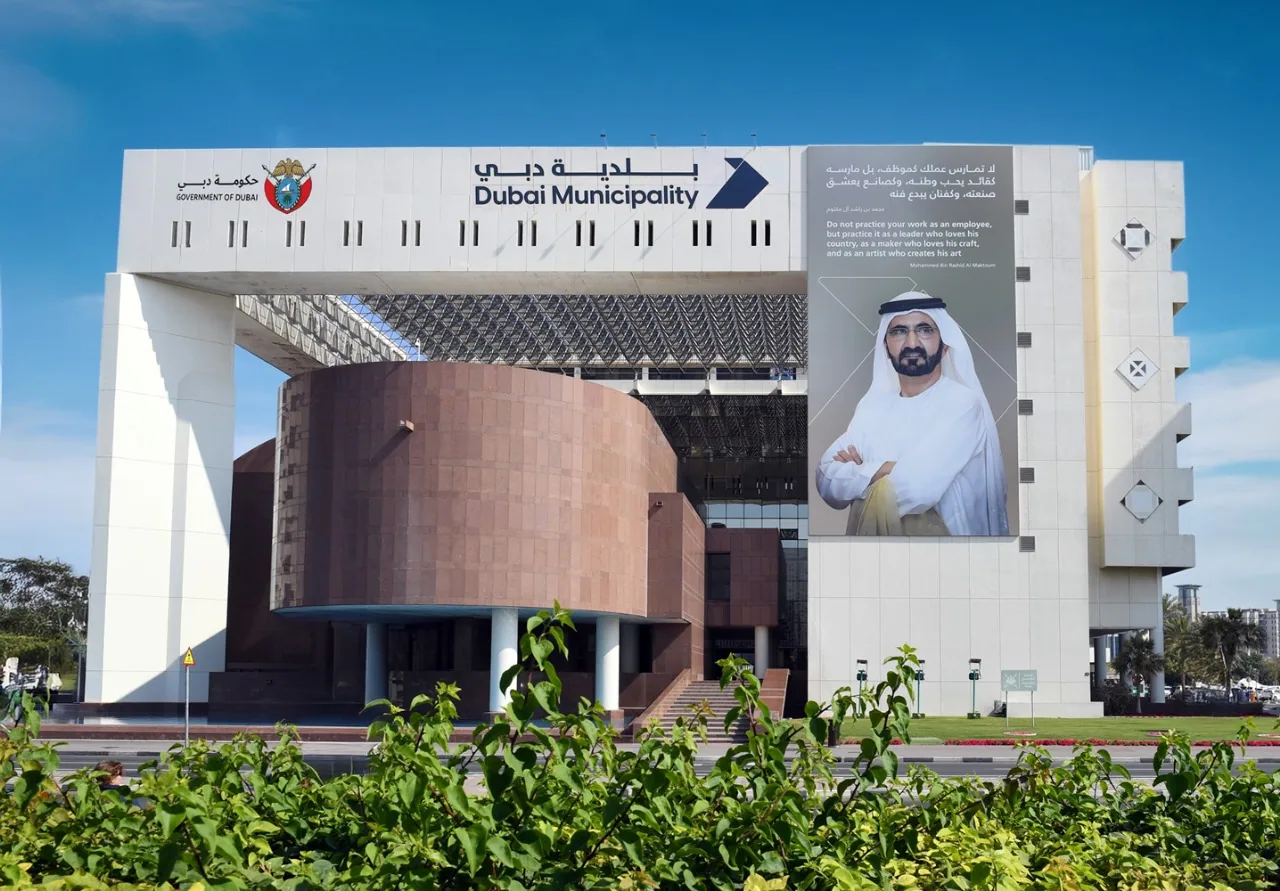
In Dubai, real estate legislation protects the interests of both tenants and landlords. Several administrative steps ensure that each contract is valid and officially recognized, which limits disputes during a tenancy. The Dubai Land Department, through its RERA regulations and rental laws, sets the main principles to be followed for every real estate transaction to ensure transparency and fairness.
Contract registration (Ejari) is an essential step in any tenancy. This official procedure gives the lease legal validity and grants access to many essential services. Without this registration, neither the tenant nor the landlord benefits from the protection provided by the law, particularly when it comes to disputing a rent increase and calculation, or in the case of termination and eviction.
Documents and supporting papers required when renting
Both landlords and tenants must provide certain documents and supporting papers to draw up a compliant contract. These often include a copy of the passport, proof of residence, the title deed, or a power of attorney if management has been delegated. These documents matter because they play a protective role: they make it easier to verify identity and prevent fraud when drawing up the lease.
In addition to the standard documents, certain specific papers are required depending on the tenant's profile and the type of property. For example, proof of home insurance is often requested. This not only protects against unforeseen damage but also reassures the landlord that the tenancy complies with local regulations.
RERA regulations and rental laws to know
The rules issued by RERA are mainly designed to govern how contracts are drafted, the terms for renewal or revision, and the handling of disputes. This framework guarantees both parties recourse in the event of non-compliance, such as a late rent payment or a failure to restore the property at the end of the tenancy.
Key points of this regulation include the minimum notice period for a rent increase or lease termination, a precise definition of maintenance and repair obligations, and strict regulation of rent increases and calculations via an official index published each year. A good understanding of these rules helps prevent the recurring disagreements seen on Dubai's rental market.
Maintenance and repair obligations
Property maintenance is central to the respective duties of tenant and landlord. Each party must act to ensure the property's upkeep, though their responsibilities do not fully overlap.
How tasks are shared depends on the nature of the repair and the level of wear. For minor work, it is generally up to the tenant to cover the cost. Structural work or repairs involving major equipment, on the other hand, fall under the landlord's legal obligation.
The tenant handles routine upkeep (cleaning, simple maintenance, minor repairs).
The landlord remains responsible for major repairs (plumbing, electrical work, roofing).
In the event of exceptional damage not attributable to the tenant, the registered Ejari lease should be consulted to settle the dispute.
Poor maintenance or repeated failure to maintain the property can justify termination and eviction, especially if it threatens the integrity of the rented property. To avoid any ambiguity, a detailed inventory of the property is carried out when the tenant moves in and out.
Finally, there is an obligation to promptly notify the other party as soon as an issue appears. This step helps limit the damage from worsening and closes the chain of responsibility.
Rent payment, delays and rate adjustments
The amount and timeliness of rent payment remain at the heart of the contractual relationship between landlord and tenant. In Dubai, payment is traditionally made via post-dated cheques, handed over when the lease is signed and cashed according to a schedule set in advance.
Any late payment exposes the tenant to financial penalties set out in the contract, and repeated late payments can lead to legal action. The law provides specific mechanisms for adjusting the price from one year to the next, described in the next section.
Rent increases and calculation under local law
Annual rent increases are only possible subject to a 90-day notice for increase or termination sent to the tenant before the lease expiry date. Any change not formally notified becomes invalid regardless of the circumstances.
The Dubai Rental Index determines the maximum percentage increase allowed, limiting abuse and providing financial security to tenants. This index takes into account the average rent observed in each neighborhood or property category, ensuring consistent practice across the emirate.
Thanks to this transparent system, everyone knows what to expect and can plan their budget accordingly. Only written notice sent in time makes any proposed increase effective.
Any dispute over the validity or amount of an increase can be brought before the relevant authorities if needed, based on the reference index mentioned above along with the supporting documents provided at the time of the original contract.
Privacy rights, home insurance and other key points
Beyond financial matters, the law strictly governs respect for the tenant's privacy and confidentiality. Except in a clear emergency or under specific contract clauses, the landlord may not enter the property without prior agreement. Reasonable notice must be given before any visit, or the landlord risks legal penalties.
This legal requirement protects the human relationship between the parties and encourages peaceful cohabitation. The regulations also cover obligations relating to home insurance, often optional but strongly recommended to cover rental risks or unforeseen material damage. Many contracts require a valid insurance certificate to be presented upon move-in.
Confidentiality must always be respected for any technical intervention.
Prior notice is required for any inspection or equipment check by the landlord.
A valid reason is required for any quick inspection of the property.
Finally, the required documents and supporting papers, such as deeds, receipts or various certificates, remain essential for all official procedures. Whether initiating a termination and eviction or simply responding to an administrative check, it is best to plan ahead and carefully keep every document related to the tenancy.
An oversight or carelessness on this point can lead to unnecessary complications, the impact of which sometimes goes beyond purely financial matters.
Frequently asked questions about the rights and duties of rental parties
What are the main documents needed to sign a lease in Dubai?
Copy of the tenant's and landlord's passports
Valid visa for foreigners
Title deed or management mandate
Registered Ejari contract
Home insurance certificate, depending on the agreement
These documents are required to confirm each party's identity and guarantee the authenticity of the transaction. Missing even one document can delay the signing or invalidate the lease.
Who is responsible for repairs during the tenancy?
The tenant handles routine repairs (light bulbs, taps…)
The landlord covers major work (boiler, roofing, utility networks…)
A clear breakdown of these responsibilities appears in the lease, and in case of doubt, RERA regulations and rental laws take precedence. When the keys are handed back, a property inspection report serves as evidence to settle any disputes.
How to terminate a lease early in Dubai?
Notify the other party early enough (90-day notice for increase or termination is mandatory for any termination initiated by the landlord).
Provide all necessary documents (registered letters, proof of payment…)
Comply with the deadlines set out in the registered Ejari contract.
Failure to comply with the notice period or other specific conditions may entitle the wronged party to compensation, or even lead to contractual liability being pursued before the competent courts.
Is home insurance mandatory in Dubai?
There is no blanket legal requirement, but many landlords require it in the lease to cover themselves against major incidents. Taking out home insurance is still strongly advised even when it is not a formal condition, as it protects both the tenant's personal belongings and the landlord's property structure.
Some contracts explicitly list the minimum coverage expected by the landlord, providing greater security for all parties involved.
Read also:
Working in Dubai: the 2025 guide
Retiring in Dubai: 0% taxation and the 5-year visa
Summer 2025: What to do in Dubai – Complete guide to what's new
Best family residential areas in Dubai
Also on Madely Properties
The role and importance of the memorandum of understanding (MOU) in Dubai real estate transactions
Understanding rental demand for studios in Dubai: real estate market analysis
Key steps to buying property in Dubai: a secure path for French-speaking investors