Dubai Silicon Oasis: a model of integrated tech hub
Economic strategy and business appeal
Residential environment and quality of life
Future vision and landmark projects
Investment opportunities and outlook
International entrepreneurs and investors are looking for integrated ecosystems that combine innovation with quality of life. Dubai Silicon Oasis is emerging as a strategic tech hub, combining a technology free zone, research infrastructure and a modern residential setting across 7.2 km². This article reveals how this Dubai hub attracts high-tech companies while offering some of the region's most competitive real estate returns.
Dubai Silicon Oasis: a model of integrated tech hub
A 7.2 km² area dedicated to tech companies and connected housing
A free zone offering 100% foreign ownership and full tax exemption
More than 1,000 international companies based in the AI and blockchain sectors
Strategic goal: attract 500 additional startups by 2026
Dubai Silicon Oasis applies the 15-minute city concept, bringing together professional, residential and educational spaces across 7.2 km². Residents reach essential services and workplaces in under 15 minutes, supporting a balance between work and personal life.
DSO's technology free zone offers competitive economic advantages: full corporate tax exemption, complete foreign ownership and no restrictions on repatriating capital. Companies benefit from customs exemptions on importing technology equipment, cutting their setup costs by 30% on average compared with non-free zones.
The tech park houses cutting-edge research infrastructure, including the Dubai Technology Entrepreneur Campus and Silicon Oasis Founders. These centers provide startups with equipped labs, mentoring programs and access to a network of 1,000 international companies specializing in artificial intelligence.
Economic strategy and business appeal
Getting a trade license in DSO starts at AED 11,900, with administrative procedures cut to 15 business days for tech companies.
The Dubai Technology Entrepreneur Campus incubated 430 startups in 2015, generating 2,470 direct jobs. Its Sandbox program supports young tech companies with logistical backing valued at AED 550,000 per startup.
Since 2004, the tech hub has contributed 12% of Dubai's non-oil GDP. International companies make up 40% of businesses based there, with average annual growth of 8% over the past decade.
Residential environment and quality of life
Infrastructure and housing
DSO's diverse property offering, from modern apartments to spacious villas, meets the needs of both young professionals and families. Rents start at AED 41,000 a year for a studio, reaching AED 115,000 for a three-bedroom unit.
Prices per m² in Dubai Silicon Oasis have grown 18% since 2020, compared with 25% in central neighborhoods. This relative moderation is explained by the continued expansion of the housing stock, with 1,200 new units delivered annually.
The area has 15 schools, including GEMS Wellington Academy and Vernus International School. A smart police station operates round the clock, while the Centrium mall offers 120 shops and essential services.
Connectivity and transport
The future Blue Line metro, expected to be completed in 2029, will connect DSO to the international airport in 25 minutes. This project is part of an AED 18 billion investment plan to improve urban mobility.
Major roads make it possible to reach downtown in 20 minutes and Al Maktoum Airport in 35 minutes. Average travel time to key business districts ranges from 15 to 30 minutes, depending on the mode of transport.
The 2030 mobility plan calls for 50 km of cycling paths and 30 electric car-sharing stations. These measures aim to cut carbon emissions from daily commuting by 40% by 2030.
Future vision and landmark projects
Master Plan 2040
Master Plan 2040 positions Dubai Silicon Oasis as a global tech hub with three priority sectors: artificial intelligence, biotechnology and clean energy. The goal is to triple the area's contribution to non-oil GDP by 2035.
Agreements with MIT and the National University of Singapore call for joint research centers by 2026. The recent partnership with Johnson Controls and RIT Dubai illustrates this momentum, aiming to create a smart, sustainable campus using the OpenBlue platform. These academic partnerships are expected to generate 500 technology patents a year starting in 2030.
The spatial expansion project plans an additional 2.8 km² dedicated to aerospace industries. This development comes with an AED 3.2 billion budget for connected infrastructure.
Technology innovations
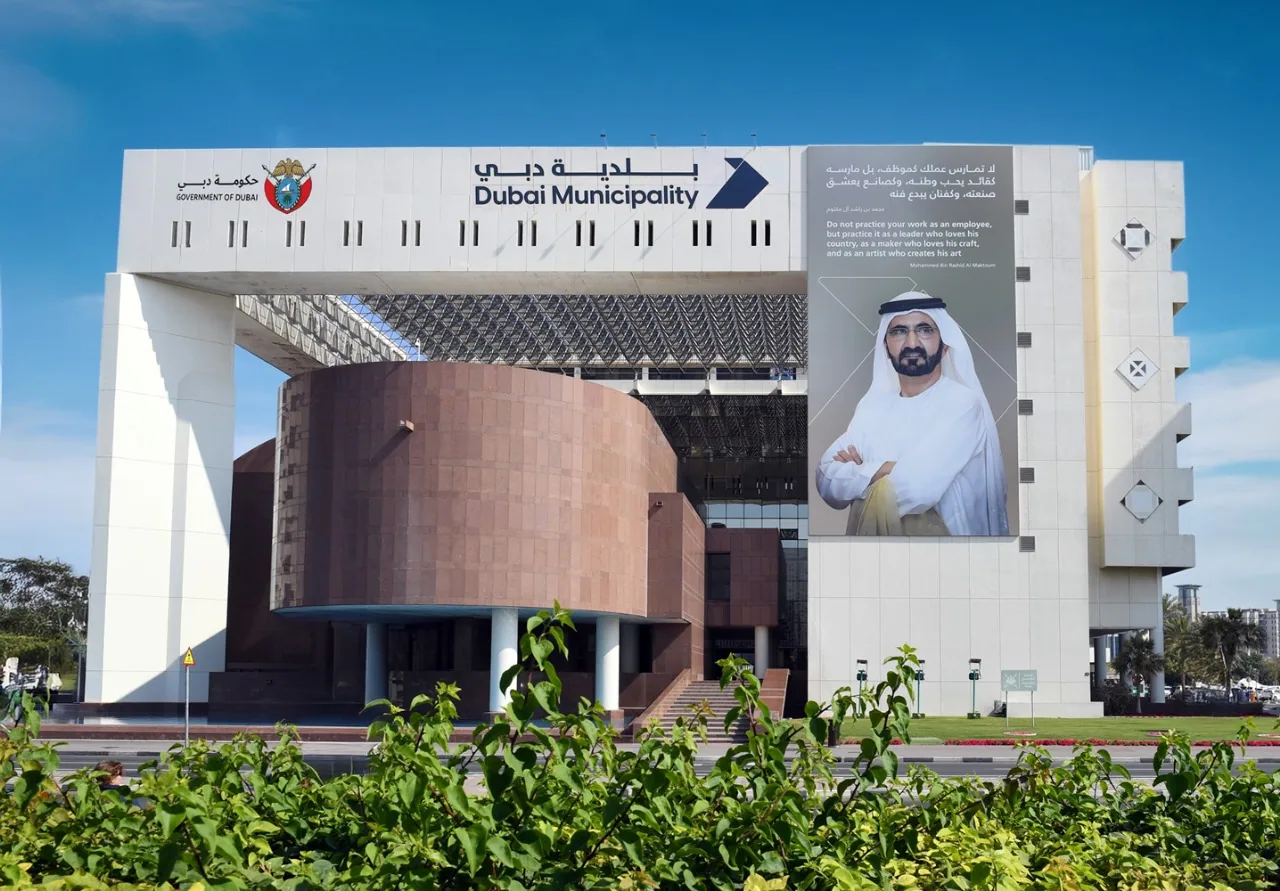
DSO houses 15 labs specializing in blockchain and IoT, including the Smart City Lab, a partnership with Dubai Municipality. These facilities host 120 pilot projects a year since 2022.
The scale-up support program offers funding of up to AED 2 million through the Dubai Silicon Oasis Capital sovereign fund. This mechanism helped develop 45 high-potential startups in 2023.
DSO's Space Centre coordinates 30% of the UAE's space projects, including the Rashid Rover lunar program. These initiatives employ 850 permanent engineers and researchers on site.
Investment opportunities and outlook
Promising sectors
DSO's commercial real estate market posts an average rental yield of 7.63%, with peaks of 9.5% for student apartments. Smart city projects account for 35% of recent real estate investment, concentrated in positive-energy buildings.
Cleantech startups are growing 57% annually, backed by the Sandbox program and AED 2.6 billion in public funding. The healthtech sector follows this trend, with 45 new companies incubated in 2023.
The smart infrastructure program offers 12 PPP contracts open to foreign investors, notably for autonomous power grids and connected waste management systems.
Support mechanisms
Investment funds benefit from full corporate tax exemption and 0% withholding tax. Incentives include a 50% reduction in licensing fees for R&D projects.
A partnership with Emirates NBD and Mashreq Bank offers preferential-rate loans (4.5%) for commercial real estate acquisitions. This program has mobilized AED 1.2 billion since launching in 2022.
Federal Law No. 19 of 2018 guarantees protection of foreign investments against expropriation, with international arbitration mechanisms recognized by 142 countries.
Market trends
Residential real estate prices have risen a cumulative 65% since 2019, with average rental profitability of 7.7% for apartments. This performance outpaces Paris yields by 115%, according to the latest sector analyses.
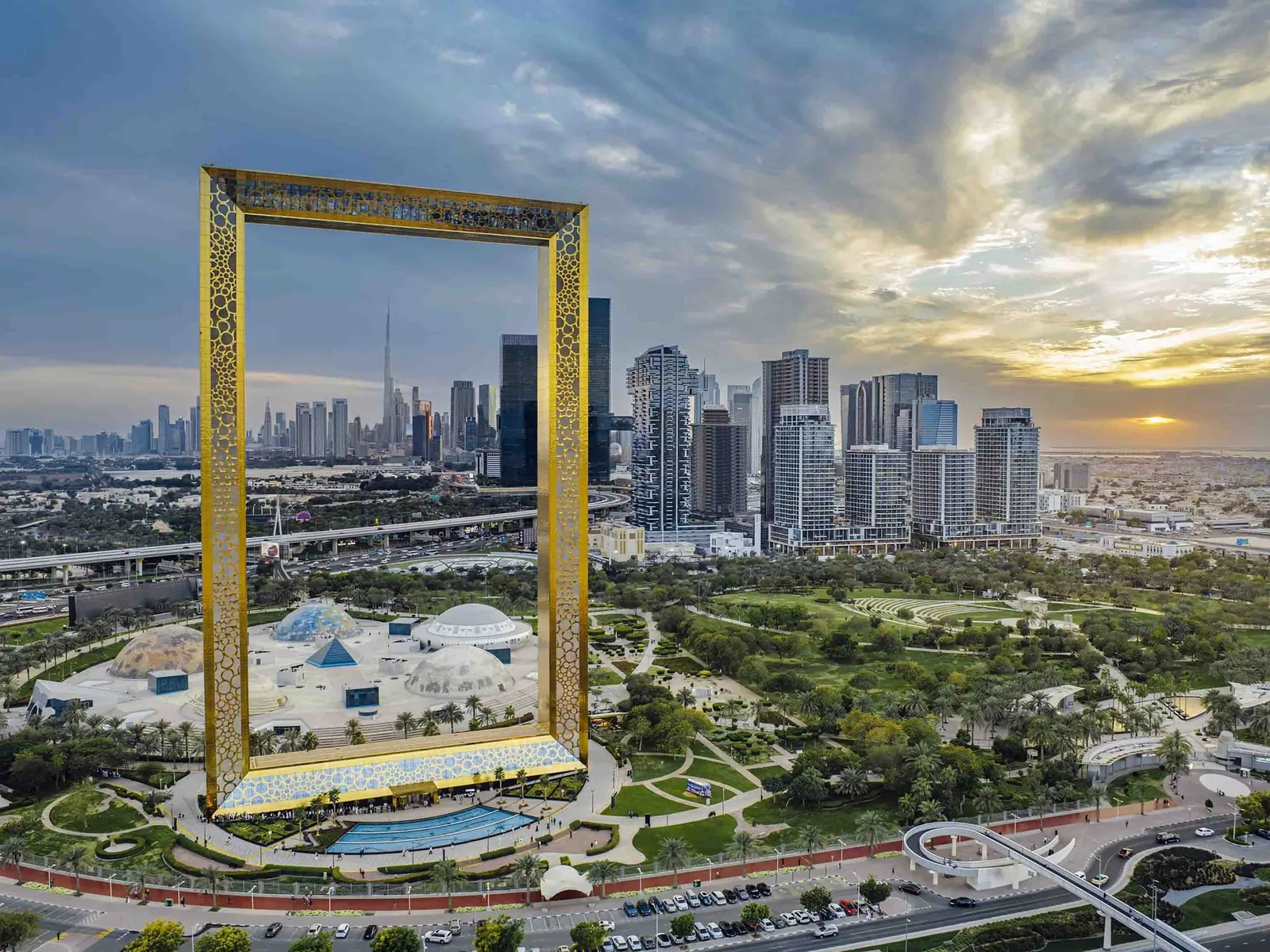
Government megaprojects such as Dubai Reef are expected to generate an additional 20% appreciation for properties within a 5 km radius. The future Blue Line metro is already affecting 30% of local real estate transactions.
Demographic forecasts anticipate 120,000 new residents in the area by 2030, requiring 15,000 additional homes. This potential is driving the development of 8 new eco-friendly residential complexes.
Case studies
Schneider Electric overcame initial administrative hurdles to set up its regional R&D center, generating AED 18 million in revenue in its first year.
An AED 2.5 million investment in a rental building at Cedre Villas produces a net annual yield of 8.5%, with average occupancy of 94% since 2021.
"The quality of public services and the cultural mix make DSO a unique environment for expatriates," says a French resident who has lived there since 2017.
A local healthtech startup quadrupled its revenue in 24 months thanks to mentoring from the Dubai Technology Entrepreneur Campus, landing 3 major public contracts.
Dubai Silicon Oasis stands out as an integrated tech hub combining a technology ecosystem, economic incentives and research infrastructure. Businesses and investors benefit from an environment conducive to innovation, reinforced by Master Plan 2040. This unique synergy positions the area as a strategic accelerator for players in the global digital transition.
FAQ
How old is Dubai Silicon Oasis?
Dubai Silicon Oasis (DSO) was announced in 2003 by Sheikh Mohammed bin Rashid Al Maktoum and opened in 2004. The Dubai Silicon Oasis Authority (DSOA) was established in 2005 to oversee the project.
DSO is an integrated technology free zone, an innovation hub for high-tech companies, and a residential neighborhood with modern housing. The Dubai 2040 plan aims to make it an even larger research and technology hub.
How many people live in Dubai Silicon Oasis?
In 2022, Dubai Silicon Oasis's population exceeded 90,000 residents. This figure marks a significant increase compared with earlier estimates.
This population growth reflects DSO's development as an appealing residential and technology hub.
How far is DSO from the airport?
Dubai Silicon Oasis (DSO) is located about 14.5 to 15 km from Dubai International Airport (DXB). The drive takes about 15 minutes.
This proximity makes access easier for international companies and residents, adding to DSO's appeal.
How does Dubai Silicon Oasis attract talent?
Dubai Silicon Oasis (DSO) attracts talent by positioning itself as an integrated technology free zone, fostering an environment conducive to growth and technological progress. It's an innovation hub and a development center for high-tech companies.
DSO offers modern housing at accessible prices, making it a pleasant place to live for young professionals and families. The Dubai 2040 plan aims to turn Dubai Silicon Oasis into an even larger research and technology hub.
What are Dubai Silicon Oasis's challenges?
DSO may face challenges related to competition from other free zones and tech parks. To attract and retain companies and talent, DSO must continually improve its infrastructure, services and business environment.
Another potential challenge could be maintaining a balance between technological development and residents' quality of life. As a residential neighborhood, DSO must offer affordable housing, leisure facilities and green spaces to attract young professionals and families.
Read also:
Working in Dubai: the 2025 guide
Retiring in Dubai: 0% Taxation and a 5-Year Visa
Best family-friendly residential areas in Dubai
Downtown Dubai rental prices: a detailed analysis
Read also on Madely Properties
What are Dubai's chic neighborhoods?
Current rental yields in JVC by property type
Why Downtown Dubai remains a safe investment
Shopping? The Galleria Mall Dubai has more to offer
The best-paid jobs in Dubai in 2025: an overview of sectors and opportunities