Al Shindagha: The Historic Birthplace of Dubai
Real Estate Opportunities and Major Projects
Heritage and Modernity: A Profitable Synergy
Investing in Dubai real estate while preserving its historical heritage is no small challenge. Al Shindagha, the city's cultural birthplace, is emerging as a strategic hub that combines architectural heritage with innovative real estate projects. This article examines market opportunities, restoration programs and key data, revealing how this historic district appeals to both investors and heritage enthusiasts.
Al Shindagha: The Historic Birthplace of Dubai
Established in the 1830s on the banks of Dubai Creek, Al Shindagha is the founding core of Dubai. This district was home to the city's earliest maritime trading activity and served as the ruling family's official residence until the mid-20th century.
Key cultural landmarks and heritage sites in Al Shindagha:
Al Shindagha Museum: the largest heritage museum in the UAE, with 22 themed pavilions
Sheikh Saeed Al Maktoum House: the former royal residence, now a historic museum open to the public
Dubai Creek: the city's founding site, brought to life through the immersive “Birth of a City” exhibition
Perfume House: a pavilion dedicated to Emirati fragrance traditions at the heart of the historic district
Al Shindagha Tunnel: a strategic road link carrying 55,000 vehicles daily since 1975
Traditional architecture combines local sandstone, clay structures and ventilated courtyards. These features, preserved across 162 listed buildings, add to the appeal of renovated properties. Conservation rules require historic facades to be preserved while modern amenities are integrated, creating distinctive real estate value.
The latest trends in Dubai's real estate market point to rising demand for heritage commercial spaces (4-8% annual yield) and premium residences. Cultural tourism brings 1.2 million visitors a year to the museum, also boosting the residential rental sector.
Real Estate Opportunities and Major Projects
A Diverse Property Landscape
Restoration programs are converting 70% of listed buildings into high-end residences.
A renovated 400 m² house generates a 25% annual rental yield thanks to its strategic location near Dubai Creek. This case illustrates the appeal of restored heritage properties.
Urban regulations require historic facades to be preserved and limit structural changes. Renovation permits require Department of Culture approval for 92% of projects.
Infrastructure and Connectivity
The Al Shindagha Corridor has cut travel times to downtown by 40% since 2023. This 13 km road project improves access to key economic zones.
The planned pedestrian link to the Dubai Islands is expected to bring 500,000 additional visitors a year. This connection is spurring investment in themed hospitality and local retail.
Economic Advantages for Investors
An international comparison of real estate returns places Al Shindagha 15% below downtown prices, with stronger appreciation potential ahead.
Tax incentives cover up to 30% of restoration costs for listed buildings. This scheme applies to 65% of real estate transactions in the historic district.
The residential rental vacancy rate stands at 8%, 5 points below the Dubai average. This performance reflects rising demand for heritage housing.
Heritage and Modernity: A Profitable Synergy
Cultural Preservation Strategies
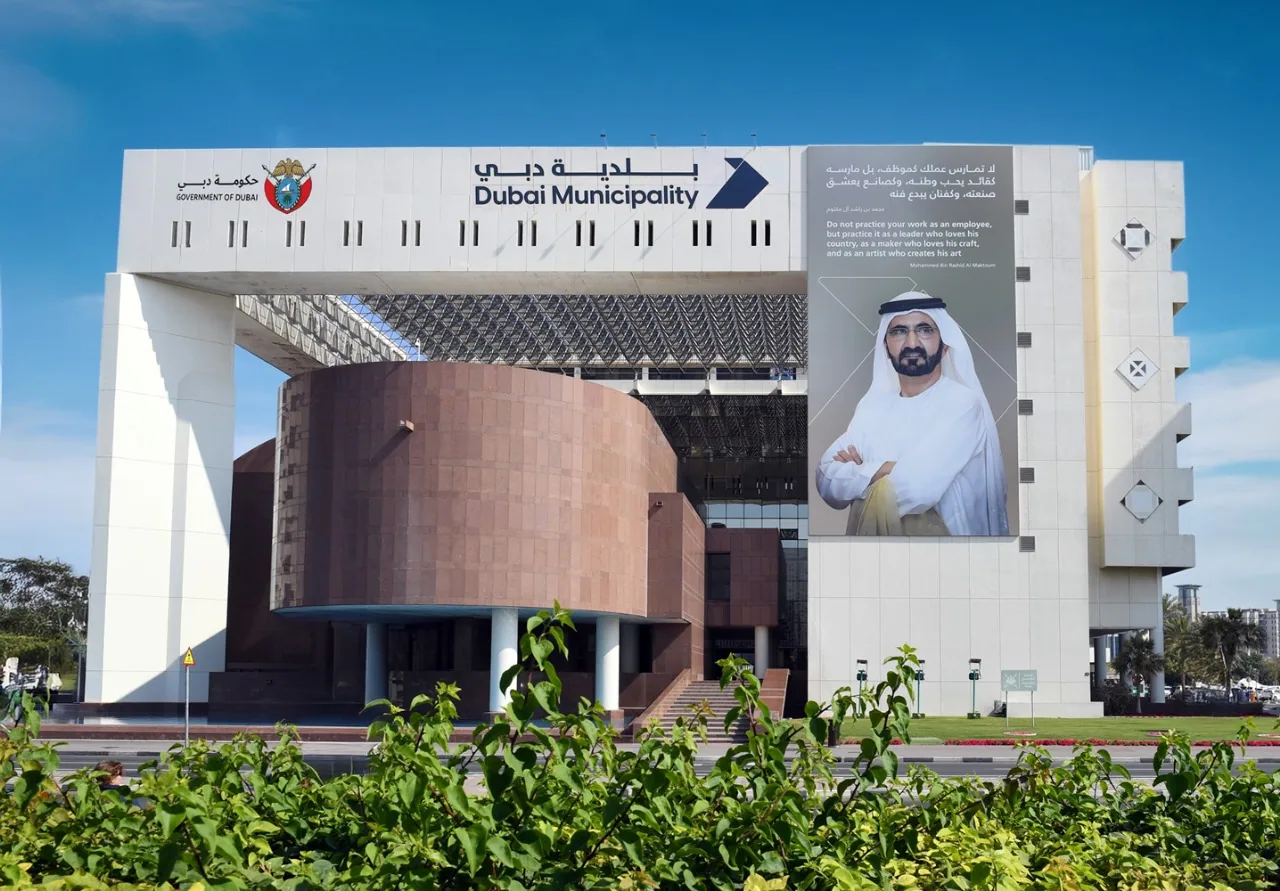
The Department of Culture oversees 85% of property renovations, safeguarding the integrity of the 162 listed buildings. The recent agreement between MBHRE and Binghatti illustrates these collaborations, transforming historic palaces into versatile cultural spaces.
Public-private partnerships have converted 12 royal residences into contemporary art centers since 2020. These hybrid projects combine exhibition galleries with artist lofts, generating 15% in additional revenue for investors.
Tourism Appeal and Real Estate Impact
The Al Shindagha Museum draws 1.5 million visitors a year, boosting revenue at nearby businesses by 25%. This footfall supports 300 local jobs in traditional crafts and dining.
Boutique hotels set up in former merchant houses charge an average of AED 800 per night. These properties post an 80% occupancy rate during tourist season, 12 points above the city average.
Seasonal rentals of themed apartments generate up to AED 50,000 a month during peak periods. This segment accounts for 18% of the district's residential rental market.
Outlook and Challenges
The Dubai 2040 plan calls for the restoration of additional buildings and the creation of a 25-pavilion museum precinct. This work comes with a budget of AED 200 million dedicated to cultural infrastructure.
Land pressure has driven a 7% annual rise in property values since 2022. Experts expect prices per square meter to grow 35% by 2030, provided the balance between heritage and development is maintained. To support these projections, it's important to track structural trends in the Dubai real estate market.
Dubai's overall appeal for real estate investment should amplify these trends, with an expected inflow of 500 investors a year into the historic district by 2026.
Al Shindagha combines historic heritage with innovative real estate projects, offering attractive rental yields and tax incentives. Ongoing infrastructure development and the Dubai 2040 plan further strengthen its growth potential. Investing in this strategic district today provides privileged access to a growing market where culture and profitability go hand in hand.
FAQ
What are the risks of investing in Al Shindagha?
Investing in Al Shindagha, as a historic district, comes with specific constraints. Heritage preservation imposes strict rules on construction and renovation, which can limit development options and raise costs. Investment success also depends on the district's tourist appeal and its ability to stand out from other Dubai areas.
Dubai and the UAE's overall economic development also influences property values. Economic slowdowns or shifts in government policy can affect the local real estate market. Thorough market analysis is therefore essential before making any investment decision.
How can I finance a project in Al Shindagha?
Financing a project in Al Shindagha can be done in several ways. Conventional bank loans are available to residents and non-residents alike, subject to financial standing. Sharia-compliant loans, following Islamic finance principles, are also an option.
Some real estate agencies offer direct 0% financing, with no interest or bank loan required. Personal investment, using your own savings, is another option. It's advisable to clearly define your real estate goal, budget and financing terms before getting started.
What is the quality of life like in Al Shindagha?
Quality of life in Al Shindagha is shaped by its rich cultural past and historical significance. The district offers a unique atmosphere with the Al Shindagha Museum, which tells the story of Dubai. Its location along Dubai Creek offers waterfront views.
Al Shindagha is well served by public transport, including the metro and bus lines. The district is home to traditional houses, exhibitions and cultural events. It's worth noting that Al Shindagha retains a distinct character, closer to traditional Middle Eastern towns than to Dubai's modern neighborhoods.
What are the challenges of heritage renovation?
Heritage renovation in Al Shindagha comes with several challenges. Older buildings can have structural weaknesses due to age. Strict compliance with preservation standards is essential to maintain the original spirit of the buildings, which can limit options and raise costs.
The variety of materials used in historic construction can require specific renovation techniques. Preserving architectural quality and complying with heritage laws must be balanced against energy-efficiency renovation goals. The administrative complexity of specific approval requirements for work on a notable heritage site is another challenge.
Read also:
Average rental prices in Dubai by neighborhood
Best family-friendly residential areas in Dubai
Rental prices in Downtown Dubai: a detailed analysis
Benefits of living in Downtown Dubai vs other neighborhoods
Also on Madely Properties
How is rent paid in Dubai? Process, practices and specifics
Happiness at the heart of Dubai developers' strategies
How to choose a rental management agency in Dubai?
Can non-residents buy property in Dubai: terms, advantages and precautions for foreign investors