Checking developers' licenses
Escrow accounts and protection of invested funds
Developer track record: analyzing past projects
Investing in Dubai real estate carries risks tied to developer reliability. This article offers a structured approach centered on checking licenses, protecting funds, and analyzing past track records. Readers will find objective criteria for securing their property investment in Dubai, backed by concrete data and best practices.
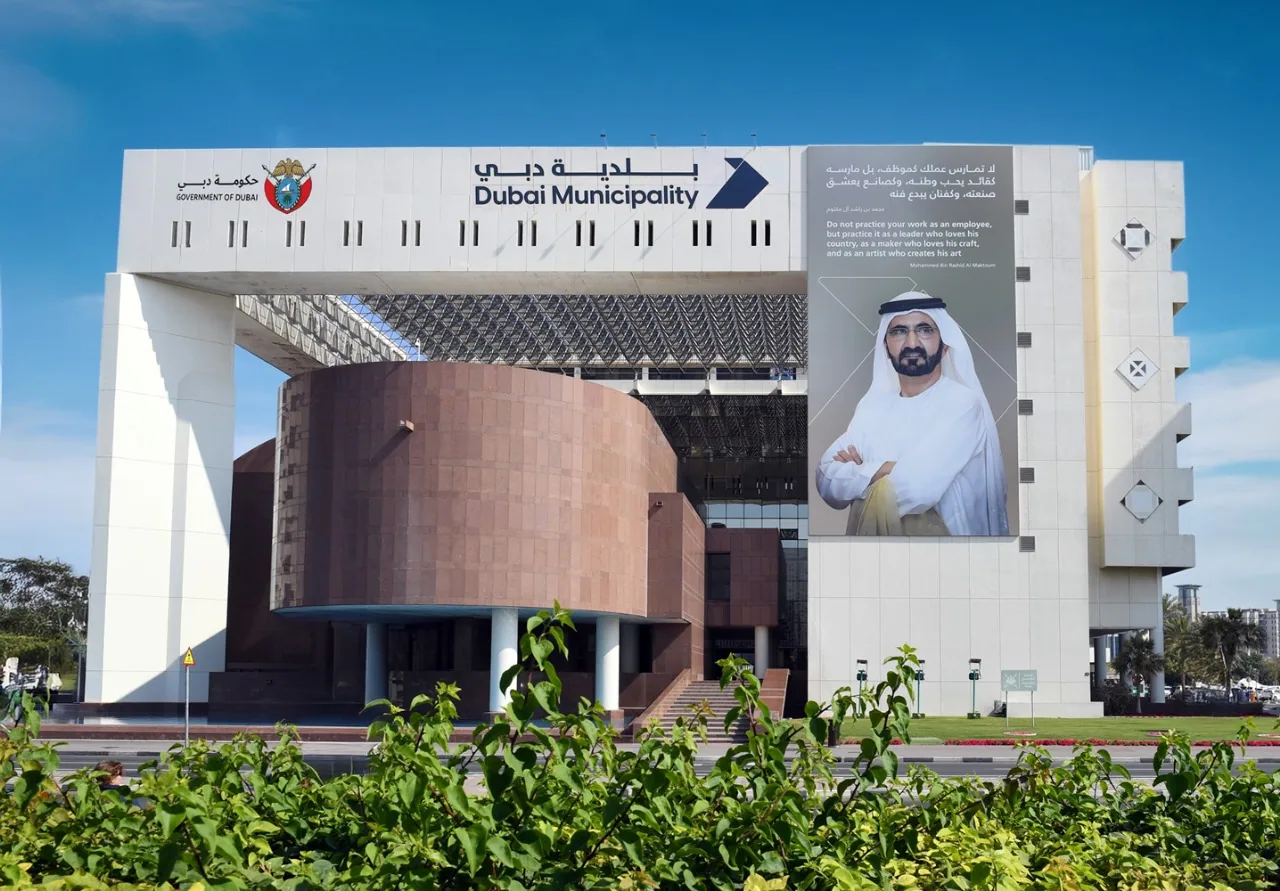
Checking developers' licenses
Dubai Land Department licenses govern the operations of property developers. Developers without a license face legal penalties. These authorizations ensure compliance with construction standards and protect investors.
The Dubai Land Department oversees Dubai's property market. The Real Estate Regulatory Agency (RERA) issues licenses to developers. Failure to meet regulatory requirements results in financial penalties for offenders.
Checking licenses is done through the Dubai Land Department portal. Investors enter the developer's name to confirm its validity. This guide to buying an apartment in Dubai details this process, which helps secure property transactions in Dubai.
Verify that the license exists on the official website
Confirm the expiry date
Check the issuing authority's details
Cross-check against Dubai Land Department records
Confirm the license matches the declared activity
Property licenses distinguish between brokerage, development and management activities. Developers specializing in luxury projects obtain specific authorizations. License types determine the nature of transactions permitted.
Valid licenses protect buyers against fraudulent practices. Our international comparison explains the differences between financial protection systems in Dubai and other property markets. They also ensure that construction complies with safety standards. Licensed developers honor their contractual commitments.
Documents provided by developers can be forged. Expiry dates that have not been updated are a major red flag. Contacting the issuing authority helps confirm authenticity.
Developers operating without a license face fines and bans on doing business. Affected buyers can seek financial compensation. The Dubai Land Department penalizes violations of property regulations.
Property licenses do not automatically guarantee construction quality. Safety standards must be checked separately. Additional certifications guarantee finishing standards.
The Dubai Land Department's online services make it easier to check licenses. Investors use the Trakheesi system to verify authorizations. Digital platforms speed up due diligence ahead of an investment.
Off-plan sales licenses require specific authorizations. Developers must post additional guarantee funds. These measures protect buyers during the construction phase.
Investors contact the Dubai Land Department if in doubt. Online platforms allow them to report irregularities. The authorities investigate reported cases of irregularities.
The real estate fraud authority has handled several cases of fake licenses. Developers involved were fined heavily. Affected buyers recovered their funds through escrow accounts.
Escrow accounts and protection of invested funds
An escrow account in Dubai protects the funds paid by buyers. The Dubai Land Department oversees this system, ensuring the security of property investments.
Law No. 8 of 2007 makes escrow accounts mandatory in Dubai. Developers must open this type of account in order to sell properties that have not yet been built.
Funds remain frozen until the property is handed over. The Dubai Land Department approves each release of funds tied to construction progress.
Banks such as Mashreq and Emirates NBD manage escrow accounts in Dubai. They apply strict standards set by the property regulator.
Investors verify that an escrow account exists through the Dubai Land Department portal. They cross-check the bank details against those in the sales contract.
Independent experts verify construction progress before each disbursement to the developer.
When assessing a property developer in Dubai, several indicators can help identify risks related to escrow account management.
Payment requests that do not match construction progress
Repeated delays without a credible technical explanation
Refusal to provide the bank statement for the escrow account
Changes to payment terms not explained by technical developments
Recurring supplier issues linked to late payments
Missed deadlines with no financial compensation
A mismatch between the actual state of the site and payment requests
Limited transparency on how released funds are used
Reports from other investors about the project's financial management
Delays in expert progress reports
In the event of a developer's bankruptcy, remaining funds stay protected. The compensation process governs how investments are recovered.
The Dubai Land Department approves the conditions for opening escrow accounts. It oversees the release of funds according to validated construction milestones.
Our guide to investing in Dubai explains in detail the role escrow accounts play in the security of property transactions.
In 2022, the Dubai Creek Harbour project kept funds secure. Escrow accounts prevented losses despite handover delays.
Direct transfers to the escrow account are preferred. Checks made out to the escrow account offer a reliable alternative.
Investors report irregularities to the Dubai Land Department. Mediation mechanisms help resolve disputes.
Regulation of escrow accounts was strengthened in 2022. Digital tools improve real-time tracking of how funds are used.
Developer track record: analyzing past projects
A developer's experience is measured by its past projects. Previous developments demonstrate its technical and financial capacity. A strong track record boosts investor confidence in future handovers. Country risk analysis, such as that provided by Coface, is crucial for assessing the economic stability of the United Arab Emirates and its impact on property projects.
The Dubai Land Department's official platforms list approved projects. Our analysis of the Dubai property market includes data on developers. Customer reviews on specialist forums complement the official information.
Evaluation criteria include handover times, finish quality and compliance with authorizations. Frequent delays or repeated construction defects are warning signs.
A strong track record includes a varied portfolio and on-time deliveries. Experienced developers such as Emaar Properties or Nakheel Properties have well-documented histories.
A limited track record makes it harder to assess reliability. Negative customer feedback or repeated disputes point to potential problems. A lack of public data complicates the evaluation.
How a developer's projects evolve over time reveals whether standards are improving or whether problems keep recurring. Developers build reliability over time.
Comparative analysis tools include Dubai Land Department reports and industry rankings. Public data makes it possible to assess developers' relative performance.
The diversity of a developer's projects reflects its adaptability. Luxury specialists such as Ellington Properties or affordable-housing developers such as Azizi Developments demonstrate distinct areas of expertise.
Developers with more than ten years in business have proven their stability. Financial statements published by major groups such as Meraas Dubai Properties strengthen transparency.
Official documents verify building permits and compliance certificates. Expert reports supplement the files provided by developers.
The Dubai Land Department's online platforms provide access to approved projects. Public data, such as sales recorded on Mo'asher, makes comparative analysis easier.
Experienced developers are more likely to comply with construction standards. Regular audits help guarantee quality over the long term.
Experienced developers such as Damac Properties offer stronger guarantees. New entrants must prove their ability to deliver on time, backed by solid financial partners.
Emaar Properties has delivered more than 50,000 units in Dubai. Nakheel Properties projects such as Palm Jumeirah demonstrate its ability to deliver complex landmark developments.
Professional networks and investor associations share first-hand feedback. Post-handover satisfaction surveys provide concrete data on quality.
Official licenses, verified escrow accounts and an analysis of a developer's track record are the pillars of evaluating property developers in Dubai. Before finalizing an investment, check Dubai Land Department records, demand proof of secure transfers, and study past projects. Rigorous due diligence protects your funds and maximizes the chances of a project delivered to international standards, reinforcing your confidence in the dynamism of Dubai's property market.
FAQ
Who are the top-ranked developers in Dubai?
Several property developers stand out in Dubai in 2024. Emaar Properties is known for landmark projects such as Downtown Dubai and Dubai Marina, while Meraas stands out for its innovative approach and high-end projects.
Other major players include Damac Properties, known for large-scale projects in Business Bay and DAMAC Hills, and Nakheel Properties, the developer behind the famous Palm Jumeirah project. There is also Sobha Realty, Azizi Developments and Ellington Properties. Tighter regulation in Dubai is pushing developers to demonstrate their expertise and financial reliability.
What is the average price of property in Dubai?
The average price of property in Dubai varies by property type. For apartments, the median price is 19,567 AED/sqm. Prices vary by the number of rooms, ranging from 17,529 AED/sqm for a studio to 46,584 AED/sqm for a five-bedroom apartment.
For houses, the median price is 14,593 AED/sqm. In January 2025, the average price per square meter stood at 1,550 AED, an increase of 81.2% compared with January 2020. A significant share of transactions involve properties worth more than 5 million AED, while another share involves properties under 1 million AED.
Read also:
Average handover times for new projects in Dubai
Apartment prices in Dubai by neighborhood in 2025
Reselling an off-plan property in Dubai: strategy and timing
The complete guide to buying a villa in Dubai
Also on Madely Properties
The benefits of living in Downtown Dubai vs. other neighborhoods
What makes millennials well suited to working in Dubai's real estate sector?
One of Dubai's largest infinity pools is about to open: a new symbol of luxury