Main categories of charges in Dubai
Who pays the service charges?
Costs the tenant is responsible for: what expenses to expect?
Charges that remain the landlord's responsibility
Which repairs are the tenant's responsibility?
How costs are split between landlord and tenant in Dubai understandably interests every French-speaking real estate investor. Local standards differ significantly from the French model, which calls for a thorough understanding of the regulatory framework and practices in force in Dubai. To secure your off-plan investment or optimize the rental management of a property, it's essential to know exactly who pays for what, how service charges are organized, and which fees to plan for depending on the lease structure.
Main categories of charges in Dubai
When renting an apartment or villa in Dubai, several clear categories of charges stand out. How expenses are split between landlord and tenant is based on local law as well as custom, sometimes with room for negotiation. It is therefore crucial, from the very start of a project, to clarify each party's responsibilities to avoid unpleasant surprises.
The legal framework set by RERA (the Real Estate Regulatory Agency) mainly governs the key aspects of the tenancy contract. It sets out the obligations relating to rent, additional charges and the security deposit. As a real estate expert in Dubai, I've observed that many disputes stem from confusion over who actually bears certain costs, particularly those related to service charges or the municipal tax.
Who pays the service charges?
Service charges are a significant annual expense item in Dubai. They fund the upkeep of common areas, security, and maintenance of elevators, pools and other shared facilities. The question of who pays them often comes up when signing a new lease or reselling a property bought off-plan.
In Dubai, the general rule is that these costs are fully covered by the landlord. Service charges therefore cannot be passed on to the tenant, except under an explicit clause to the contrary, which is rarely accepted locally. This specific rule provides a degree of predictability for the occupant, who does not have to contribute to the building's general upkeep. That said, some landlords may find the amount billed excessive or questionable in certain cases; if warranted, they can then start a process to dispute high service charges in Dubai.
Costs the tenant is responsible for: what expenses to expect?
Rent, municipal tax and utilities
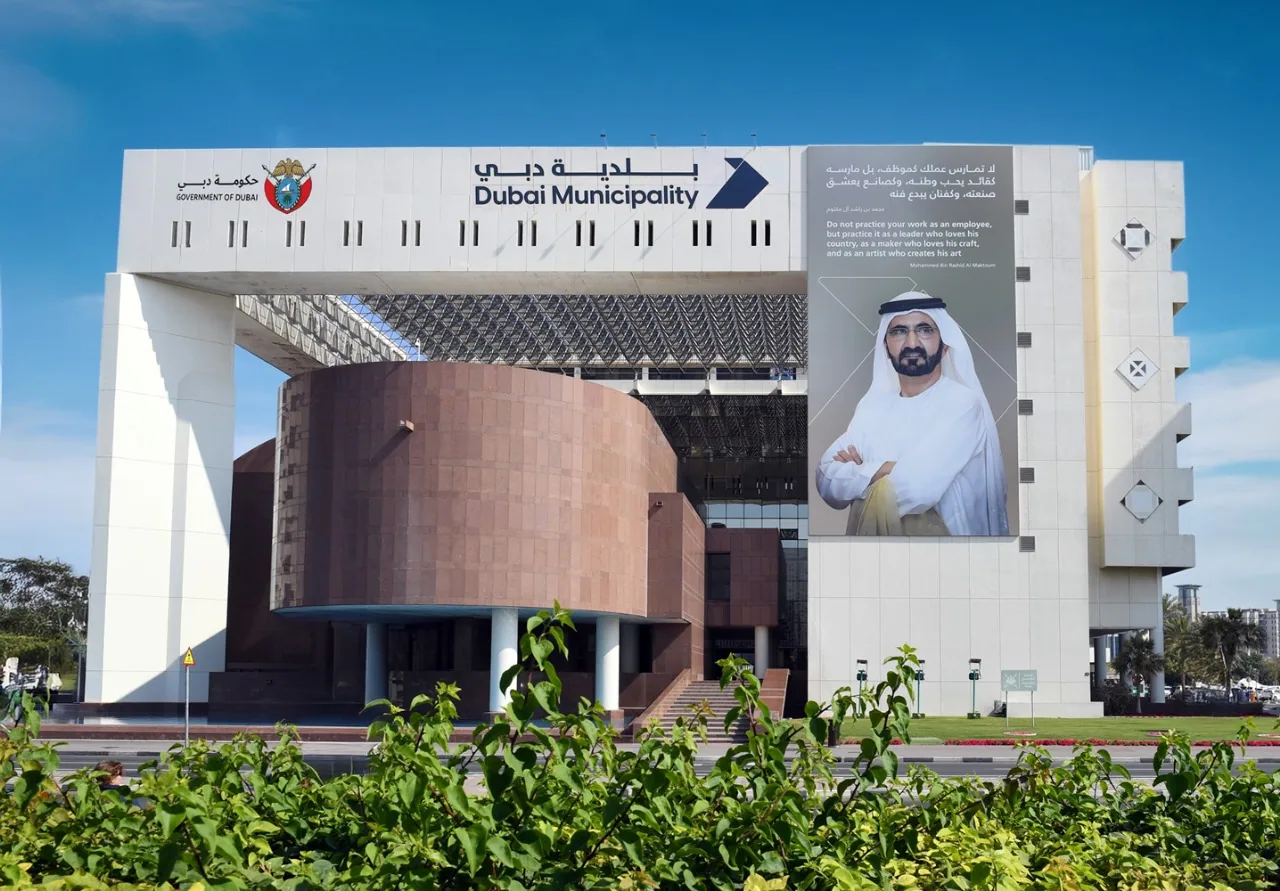
The tenant in Dubai must pay the full rent amount stated in the contract each month, generally paid annually or semi-annually via post-dated cheques. On top of that comes the municipal tax, known as the Housing Fee, collected by Dubai Municipality. This contribution represents 5% of the annual rent, spread over twelve months and added directly to the water and electricity bill (DEWA).
Water and electricity consumption is entirely the tenant's responsibility for the whole duration of the lease. It is also up to the occupant to set up and pay for the DEWA subscription, managing their own monthly usage. This requires careful budgeting, especially in residences with extensive amenities.
Security deposit, home insurance and other additional fees
When signing the lease, a security deposit is required from the tenant, equal to five percent of the annual rent for a furnished home, four percent for an unfurnished one. This amount is meant to cover any damage caused during the tenancy. This arrangement, similar to the one used in France, remains strictly governed by Emirati law.
Home insurance also falls to the tenant. While not legally required, it is strongly recommended, as it covers risks to personal belongings and personal liability. Agency fees are sometimes added as well, paid by whoever hires the professional to find the property: most often, it's the tenant who covers this cost (around 5% of the annual rent). For those considering investing in Dubai without holding local nationality, it's worth carefully weighing all these costs when planning a budget, particularly by closely examining the various factors tied to buying a house in Dubai as a foreigner.
Municipal tax payment included in the DEWA bill
Water and electricity account and bills transferred to the tenant's name upon move-in
Security deposit paid in full when the lease is signed
Personal home insurance strongly recommended, covering furniture and personal belongings
Charges that remain the landlord's responsibility
Structural maintenance and major work
Beyond service charges, all costs related to the building's structure or major repairs fall to the landlord. This includes renovating facades, replacing a shared boiler, major work on the roof or waterproofing, and all expenses needed to preserve the building over time.
In practice, if a central air conditioning failure requires replacing the whole system, the cost will be borne by the landlord. The same applies to any repair affecting shared elements or covered by the reserve fund (sinking fund).
Taxes, exceptional charges and administrative fees
The landlord remains responsible for any property taxes, even though these remain very low in Dubai compared with other major international cities. Any exceptional increase in charges decided by the Owners Association also falls to the landlord.
Various administrative fees tied to owning the property are added on top: initial registration with RERA, license renewal for certain types of managed properties, etc. These costs never affect the tenant and must be factored in for any property purchase.
Which repairs are the tenant's responsibility?
Routine maintenance and minor repairs
The tenant must handle small routine repairs arising from normal use of the home. This includes replacing light bulbs, routine upkeep of taps, locks and appliances provided with the property.
RERA rules state that any repair under AED 500 normally falls to the tenant. For example, if a washing machine breaks down or a small appliance needs replacing during the tenancy, it is up to the occupant to pay for the repair.
Liability in case of damage
If damage results from negligence or poor upkeep, the security deposit may be partially or fully withheld. During the move-out inspection, only damage beyond normal wear and tear will result in additional charges, in line with standard international practice.
In some situations, urgent repairs may become necessary (a major water leak, an electrical issue affecting safety). In that case, the landlord must be notified immediately before any work is carried out, in order to coordinate responsibility and limit the overall financial impact.
Frequently asked questions about splitting costs in Dubai
Does the tenant have to pay for home insurance in Dubai?
Damage from fire or water leaks
Theft or attempted theft
Material damage to personal belongings
Liability toward third parties
Who is responsible for paying the municipal tax (Housing Fee) in Dubai?
How does the split of service charges differ from France?
What agency fees can the landlord bear in Dubai?
Premium listing on specialized portals
Full handling of the administrative file
Read also:
Working in Dubai: the 2025 guide
Retiring in Dubai: 0% taxation and the 5-year visa
Summer 2025: What to do in Dubai – Complete guide to what's new
Average rental prices in Dubai by neighborhood
Also on Madely Properties
Buying property in Dubai as a non-resident: a practical, secure guide
Rental yield by neighborhood in Dubai: complete guide to 2025 performance
Plane tickets to Dubai: when to book and at what price?