Trip preparation: key steps to plan ahead
Entry requirements and visa: the essentials
The best time to travel to Dubai
Accommodation and lodging: how to make the right choice?
Activities and things to do in Dubai
Planning a stay in the emirate, many people wonder how best to prepare for a trip to Dubai. A city of superlatives blending extreme modernity, local traditions and a distinctive climate, it calls for proper planning to make the most of everything it has to offer. This guide provides practical tips for anticipating entry requirements, accommodation, choice of activities and appropriate dress, all while respecting the rules and customs of the United Arab Emirates.
Trip preparation: key steps to plan ahead
A successful trip comes down to good planning, whatever the length of stay or type of traveler. Preparing for a trip to Dubai means carefully checking the documents you'll need and doing some solid research on the climate and everyday local life. Looking into these details ahead of time makes the experience far smoother once you arrive and helps avoid unwelcome surprises. Before you go, it's also worth finding out exactly which documents are required to stay or invest in Dubai, since some administrative steps vary depending on your status and plans.
Drawing up a schedule and choosing your itineraries are among the essential steps. Planning ahead lets you balance cultural visits, downtime and culinary discoveries efficiently, without unnecessary back-and-forth. Pay special attention to activities that require bookings or special permits, since some very popular sites can be fully booked weeks in advance.
Entry requirements and visa: the essentials
First and foremost, check the entry requirements that apply to your nationality. For many travelers, a tourist visa is issued directly on arrival, valid for 30 days. However, some nationalities must obtain an e-visa before departure or apply for a specific visa depending on the length or purpose of their stay.
Remember that your passport must remain valid for at least six months after your entry date. Routine checks take place at the airport, so keep your return ticket, proof of accommodation and any medical documents on hand to make border crossing easier.
Passport with sufficient remaining validity
Tourist visa or e-visa (as applicable)
Proof of accommodation, to be shown if required
Onward or return ticket (mandatory for some nationalities)
The best time to travel to Dubai
The season you choose has a major effect on how comfortable your stay in Dubai will be. Between November and March, temperatures range from 20 to 28°C, making it particularly pleasant to explore the city. In summer, by contrast, temperatures often exceed 40°C, which limits daytime outings and makes some activities difficult or inadvisable. For those planning a longer stay or considering relocating, it's worth reviewing the different steps to becoming a property owner in Dubai and understanding how the seasons affect daily life and real estate.
Beyond the weather, peak tourist season brings larger crowds, particularly during the Dubai Shopping Festival and other major annual events. Factoring this in helps you build a balanced itinerary where relaxation and exploration fit comfortably around local life.
Accommodation and lodging: how to make the right choice?
Dubai's hotel scene spans every category, from absolute luxury to budget-friendly options. To make the most of your budget and mobility, it's essential to carefully weigh your accommodation's location. Staying near a metro station gives you quick access to the main points of interest, while lodging in Old Dubai immerses you in the emirate's authentic history.
Short-term rentals from private hosts appeal to couples and families alike for their flexibility and comfort. Some hotels even offer innovative concepts combining shared spaces with personalized service. Carefully comparing recent reviews and the amenities on offer will help ensure a stay that suits your expectations.
Traditional hotels (all price ranges)
Furnished apartments with a fully equipped kitchen
Serviced residences for extended stays
Guesthouses in historic districts
Activities and things to do in Dubai
Urban discoveries and iconic landmarks
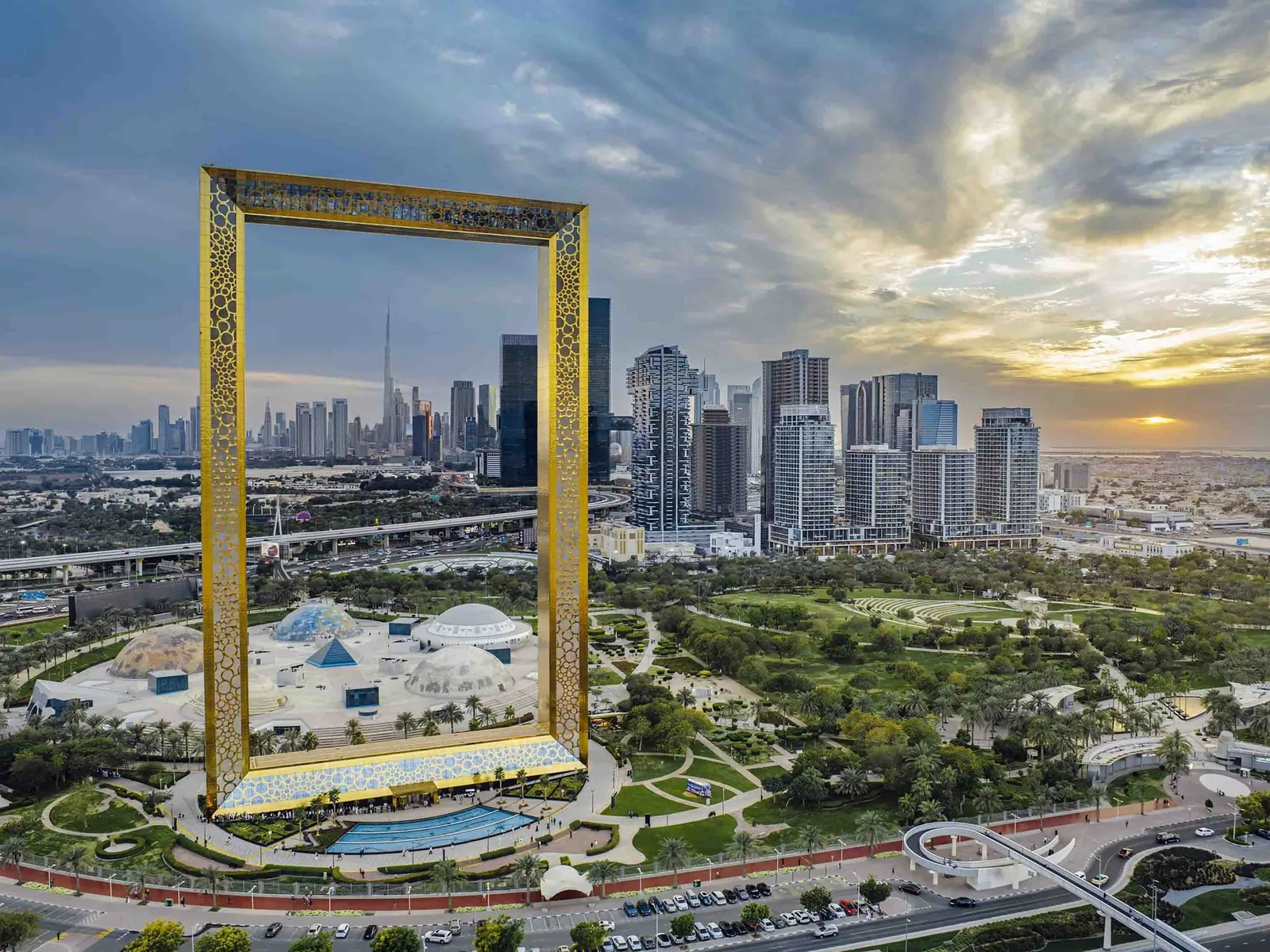
Dubai boasts an impressive range of attractions, from the famous Burj Khalifa towering over the city to the musical fountains animating Downtown. The Mall of the Emirates, meanwhile, offers a surprising experience with its indoor ski slope, proving the emirate's knack for surprising visitors in any season.
Wander through Deira to explore its souks and traditional lanes, then head to Jumeirah Beach to enjoy a stretch of unspoiled coastline. The views offer a striking contrast between bold urban architecture and the surrounding desert landscape.
Themed itineraries and sports activities
To enrich your stay, consider building itineraries around your own interests: a cultural tour of the museums, a shopping trip through the giant malls, or exploring the dunes on a desert safari. These options add variety without straining your budget, especially since public transport and taxis make getting around easy.
The sports scene is just as varied: golf, diving, windsurfing and even urban climbing appeal to every type of traveler. It's a good idea to book certain activities in advance during busy periods.
Guided tours (museums, exhibitions, mosques)
Water and theme parks (Aquaventure, Wild Wadi…)
Desert excursions and 4x4 rides
Culinary evenings at renowned restaurants
Local rules and customs to respect
Behavior and social interactions
Dubai requires visitors to respect certain rules of public conduct. Public displays of affection, smoking outside designated areas, or drinking alcohol outside licensed establishments are all offenses that can carry penalties.
Politeness, moderation and discretion define everyday interactions. Greeting people with a few words of Arabic is a nice touch and shows an appreciated effort to fit in. It's also advisable to ask permission before photographing people.
Appropriate dress
The heat naturally makes lightweight clothing the obvious choice, but dressing modestly respects local sensitivities, especially when visiting religious or government sites. Cover shoulders and knees in these settings, including for children.
Hotels and private beaches allow more freedom, but packing appropriate outfits still helps avoid any discomfort. Keeping something on hand to cover up quickly lets you stay comfortable while adapting to your surroundings.
Health and precautions during your stay
Dubai has modern, accessible medical facilities. No vaccinations are required to enter the emirate, but health insurance covering treatment on-site is strongly recommended. Staying hydrated and using sun protection consistently are practical tips you should never overlook.
Follow food safety guidance carefully and stick to bottled drinks. Some medications that are unrestricted elsewhere are tightly regulated here, so registering each prescription and keeping the official packaging on hand will speed up any customs checks.
Frequently asked questions about traveling to Dubai
What is the best time of year to visit Dubai?
The ideal season runs from November to March. Temperatures stay pleasant, between 20 and 28 degrees, making it easy to enjoy excursions and outdoor activities. During this period, the city comes alive with a range of festivals and events.
November to March: mild weather, low humidity
April to October: intense heat, some sites close during the day
What are the main entry requirements for Dubai?
European travelers generally receive a tourist visa on arrival for a limited period. Everyone must present a passport valid for at least six months after their entry date. Prepare your return ticket, accommodation bookings and, if needed, proof of financial means.
Passport with sufficient remaining validity
Tourist visa or exemption, depending on nationality
Accommodation booking confirmation or invitation letter
Are any special health precautions needed for Dubai?
No vaccinations are mandatory, but international medical insurance is still advisable in case of an emergency. Remember to drink water regularly, use strong sunscreen and avoid tap water. Also follow the guidance on bringing in prescription medications.
How should you dress during a stay in Dubai?
Wear loose, breathable clothing that covers shoulders and knees when out in public, government or religious spaces. On private beaches or at your hotel, swimwear and more casual outfits are fine, though it's still handy to carry an extra layer to cover up if needed.
Cover shoulders, knees and necklines in public spaces
Favor lightweight cotton and light colors
Pack a scarf or light cardigan for easy adapting
Read also:
Working in Dubai: the 2025 guide
Retiring in Dubai: 0% Taxation and a 5-Year Visa
Summer 2025: What to Do in Dubai – Complete Guide to What's New
Best family-friendly residential areas in Dubai
Also on Madely Properties
Key steps to buying property in Dubai: a secure path for French-speaking investors
Average rent in Dubai in 2025: trends and forecasts for property investors
What salary do you need to live comfortably in Dubai in 2025?
Paying in euros in Dubai: exchange rates and tips to get the most value