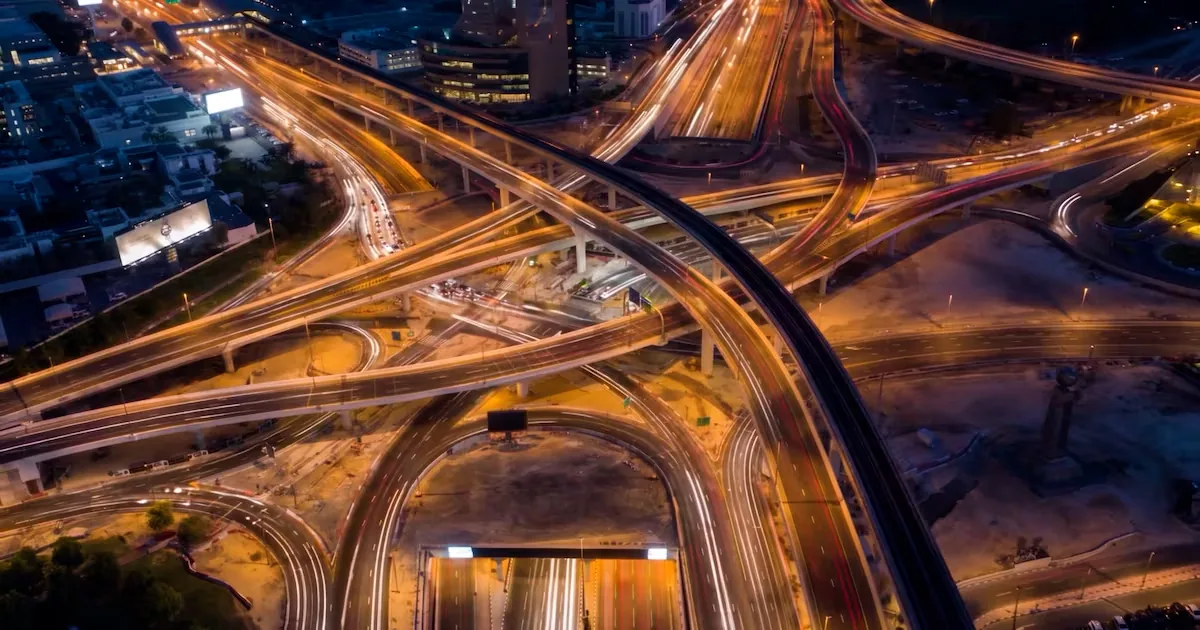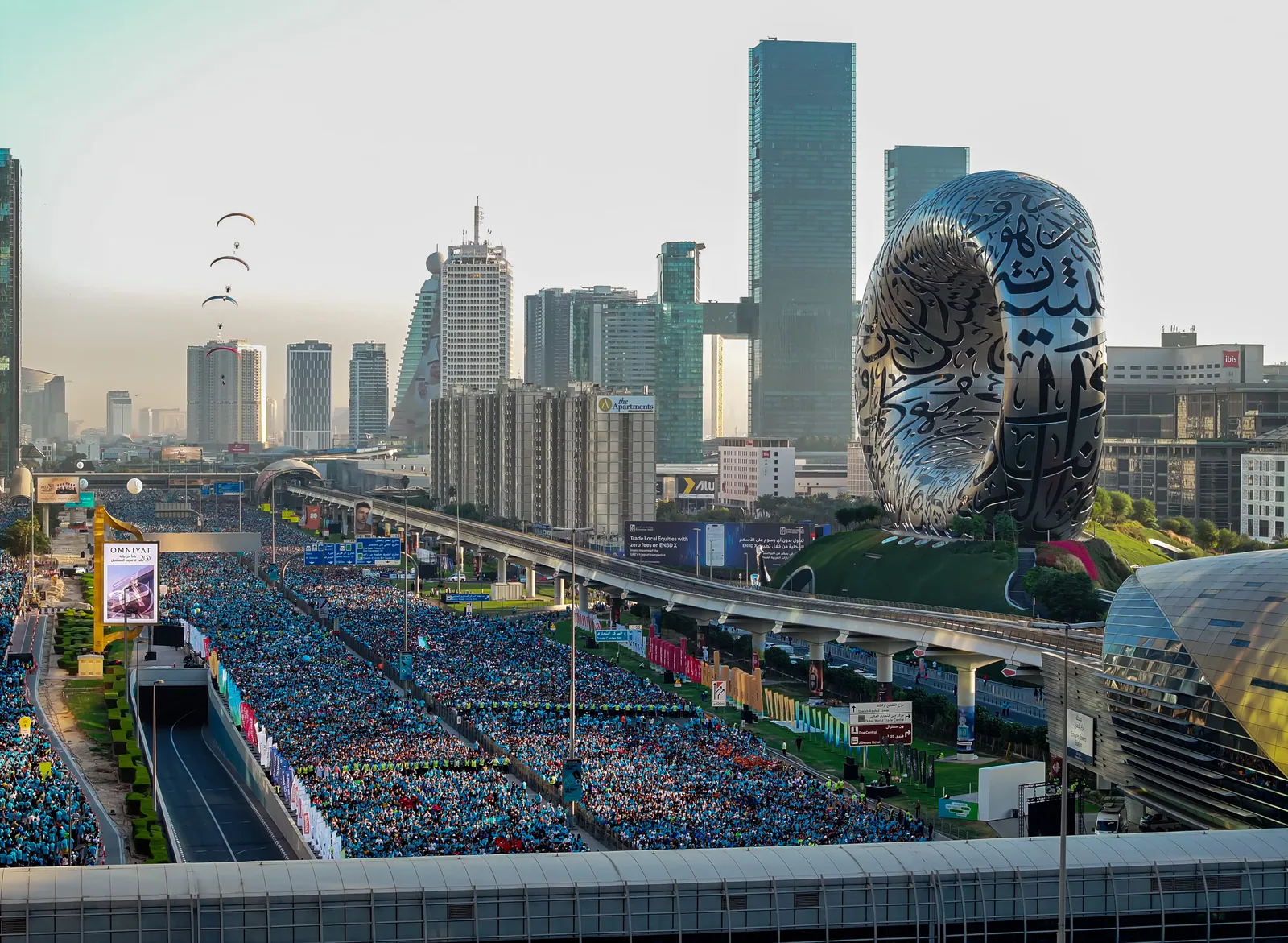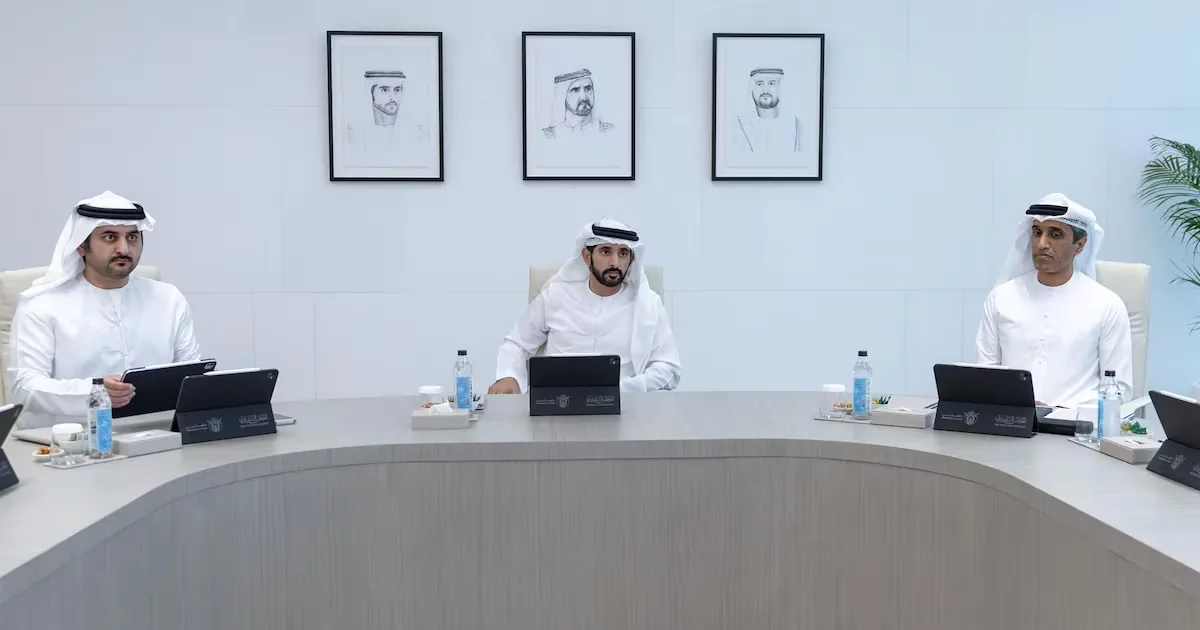
Dubai’s Executive Council has approved an Urban Centres Development Plan that signals a long-term infrastructure-led approach to city growth. The strategy covers six principal urban centres and 42 supporting sub-centres, together representing 12% of Dubai’s urban area.
The plan has a budget exceeding AED 2 billion and targets AED 20 billion in additional real-estate value across the selected centres by 2040. This is an official planning target rather than a prediction for individual homes or buildings, but it provides a positive policy signal for buyers and investors assessing well-connected districts over a longer holding period.
A central objective is to bring homes, workplaces and everyday facilities closer to mass-transit links while broadening land-use mixes. Dubai aims to increase the proportion of residents living around Metro stations from 52% to 74%, while raising public-service coverage from 74% to 85%.
For apartment buyers, these goals matter because accessibility and nearby services can shape day-to-day convenience. Communities with practical access to transport, employment areas, retail and public facilities may be better positioned to support resident demand as the city grows.
For investors, the initiative reinforces Dubai’s emphasis on coordinated urban planning rather than isolated development. The final effect will depend on which centres are selected, the delivery sequence and local supply conditions, none of which have been detailed project by project. Nevertheless, the approved framework offers added visibility on the emirate’s intention to direct future growth towards integrated, transit-oriented neighbourhoods through 2040.